Designkit Debuts AI Tool to Convert Hotel Photography Into Marketing Videos
According to the announcement on GlobeNewswire, Designkit’s platform is built to address the growing pressure on e-commerce and marketing teams to publish more video content.
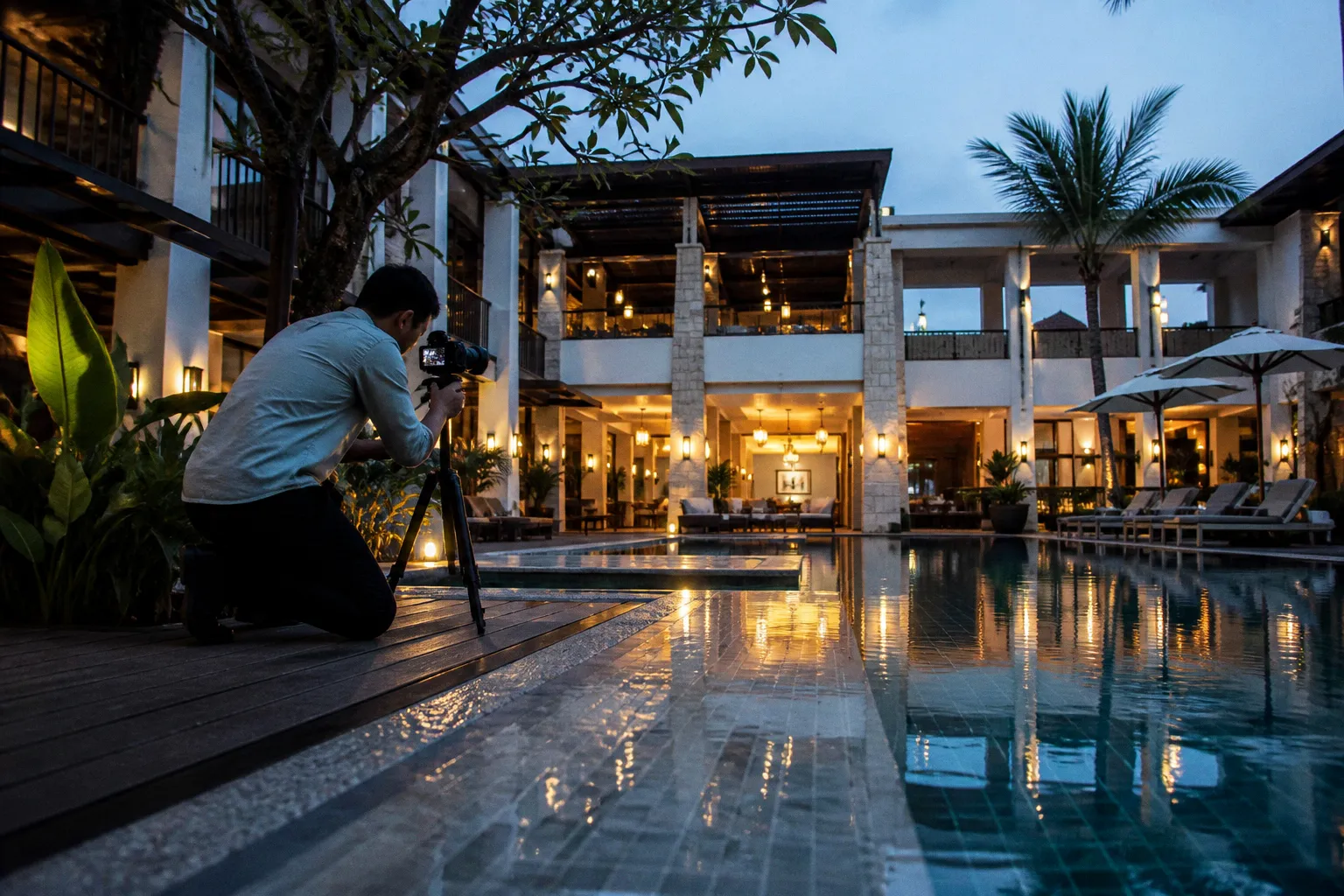
I was just on a call with a hotelier in Austin, wrestling with a familiar frustration: her property’s stunning new suite photography was sitting dormant on a server. The booking season was heating up, and she needed dynamic video content for Instagram Reels, her website’s virtual tour, and targeted ads—yesterday. The thought of coordinating another full-scale video shoot felt like a mountain to climb. This is the exact bottleneck Designkit’s new AI video platform aims to dissolve, offering a way to transform static product images into campaign-ready video assets.
From Static Image to Dynamic Story
The core idea is straightforward: start with the high-quality product photos you already have—those beautiful shots of your lobby, your signature suite, or your artisanal breakfast spread—and use AI to generate video variations. This isn’t about replacing a cinematographer for your hero brand film. It’s about creating a sustainable workflow for the dozens of smaller, essential video assets needed to keep your digital presence vibrant across channels like TikTok, Instagram, and your own booking engine.
A Practical Workflow for the Hospitality Visual Narrative
For a hotel or resort, the application feels particularly resonant. Imagine turning a single, beautifully styled photo of your poolside cabana into a series of short videos: a serene, looping clip for your website’s ambiance section, a quicker, upbeat cut for a summer promotion ad, and a UGC-style snippet for social media. The platform reportedly supports formats like product demonstrations and before-and-after videos, which could translate into showcasing a room’s transformation or the step-by-step creation of a signature cocktail. The strategic value here is in alignment—maintaining a consistent visual narrative across every guest touchpoint without rebuilding the creative process from scratch for each one.
The Strategic Takeaway: Efficiency, Not Replacement
The key for hospitality marketers is to view this as a tool for context and texture, not as a wholesale replacement for authentic storytelling. The spokesperson noted that the platform is intended to make video creation a repeatable part of the marketing workflow. For a property manager, this could mean faster A/B testing of ad creatives, quicker updates to seasonal promotions, or simply maintaining a steady flow of video content to combat algorithm decay. The risk, as with any AI tool, lies in over-reliance. The most compelling hotel marketing still stems from a genuine sense of place and human emotion. Use platforms like this to handle the volume and variation, freeing up your team’s energy to focus on the high-impact, story-driven projects that truly define your brand’s guest journey.