How AI Video Tools Are Revolutionizing Hospitality Marketing Workflows
Video production pipelines for hotels and short-stay properties are absorbing AI at measurable depth, according to a recent Siliconindia analysis tracking 2026 workflow shifts.
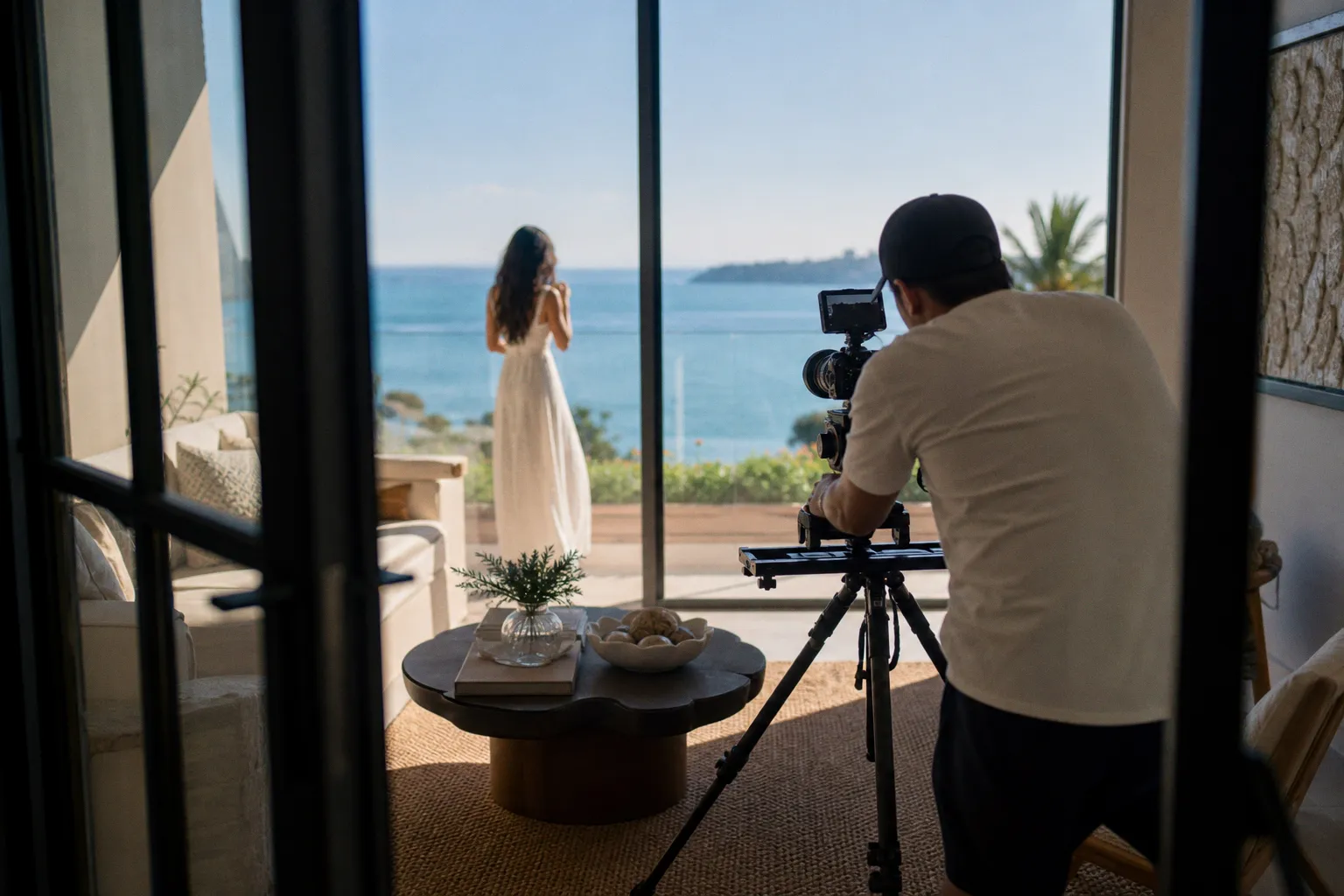
The piece maps how AI video tools are taking over the repetitive labor between raw footage and publish-ready content. For hospitality teams running lean — one videographer, a marketing manager, a booking target to hit — the math changes when editing stops eating days.
What the AI stack now handles
The analysis breaks the workflow into stages a property marketing team will recognize: review, cut, caption, reformat, distribute.
- Video summarizers can scan a 45-minute property walkthrough or owner interview and flag the moments worth cutting.
- Scene recognition and subject detection can identify the suite, the bathroom detail, the breakfast spread — the sellable frames — without manual logging.
- Transcription feeds copy. The same recording produces captions, a blog post, email copy, and FAQ entries.
- Repurposing logic: one shoot feeds TikTok, Reels, YouTube Shorts, LinkedIn, and the website hero loop.
The piece frames the editor as still making creative decisions. AI handles retrieval and repetitive assembly. Output quality remains editor-controlled.
Economics for small hospitality teams
The core claim is a shift from single-use production to content extraction. A single on-site shoot — one evening of lighting setup, two hours of footage — can yield weeks of publishing material.
For boutique hotels and Airbnb hosts, the variables shift:
- Production budgets scale with shoot days, not edits.
- A property that struggles to keep social feeds active can now feed the calendar from one recording session.
- Long-tail assets — transcripts, captions, FAQs — feed SEO without separate content production runs.
The analysis does not quantify lift in bookings. It quantifies time saved on repetitive tasks. That distinction matters for anyone measuring ROI on a property channel.
Technical checklist before adopting
Before integrating AI video tools into a property's content workflow, audit:
1. Output format list. Does the tool export 9:16 for Reels, 1:1 for feed posts, 16:9 for the website hero?
2. Brand control. Can the team override thumbnail selection, caption styling, and aspect ratios, or does the AI decide?
3. Transcript accuracy. Property names, neighborhood references, amenity terms — these break AI transcription more than generic speech.
4. Review time. The editor still watches every output. AI proposes; the marketer disposes.
5. Consent capture. If guest footage appears in clips, consent logging belongs in the workflow before the tool runs.
What the data does not show
Three adjacent headlines surfaced alongside this analysis but carried no verified body text: a Content Creation Lab registration for students in the Champaign-Urbana area (wandtv.com); a student video initiative at Hadi Academy focused on confidence and communication skills (LatestLY); a claim by creator Ranveer Allahbadia that content creation outpaces film industry pay for most participants (Hindustan Times). Without verified details, none of these are actionable for a hospitality buyer today.
Bottom line for hospitality
AI video tools cut the labor between shoot and post. They do not cut the shoot itself. For properties running one camera and a content calendar, the gain is measured in hours per week. For properties already running agency-grade production, the gain is marginal.
Measure the bottleneck first. If it is editing and repurposing, AI tools pay. If it is shoot quality or booking page conversion, the budget belongs elsewhere.