Vietnam's Content Economy: Why Hospitality Brands Must Treat Video as Infrastructure
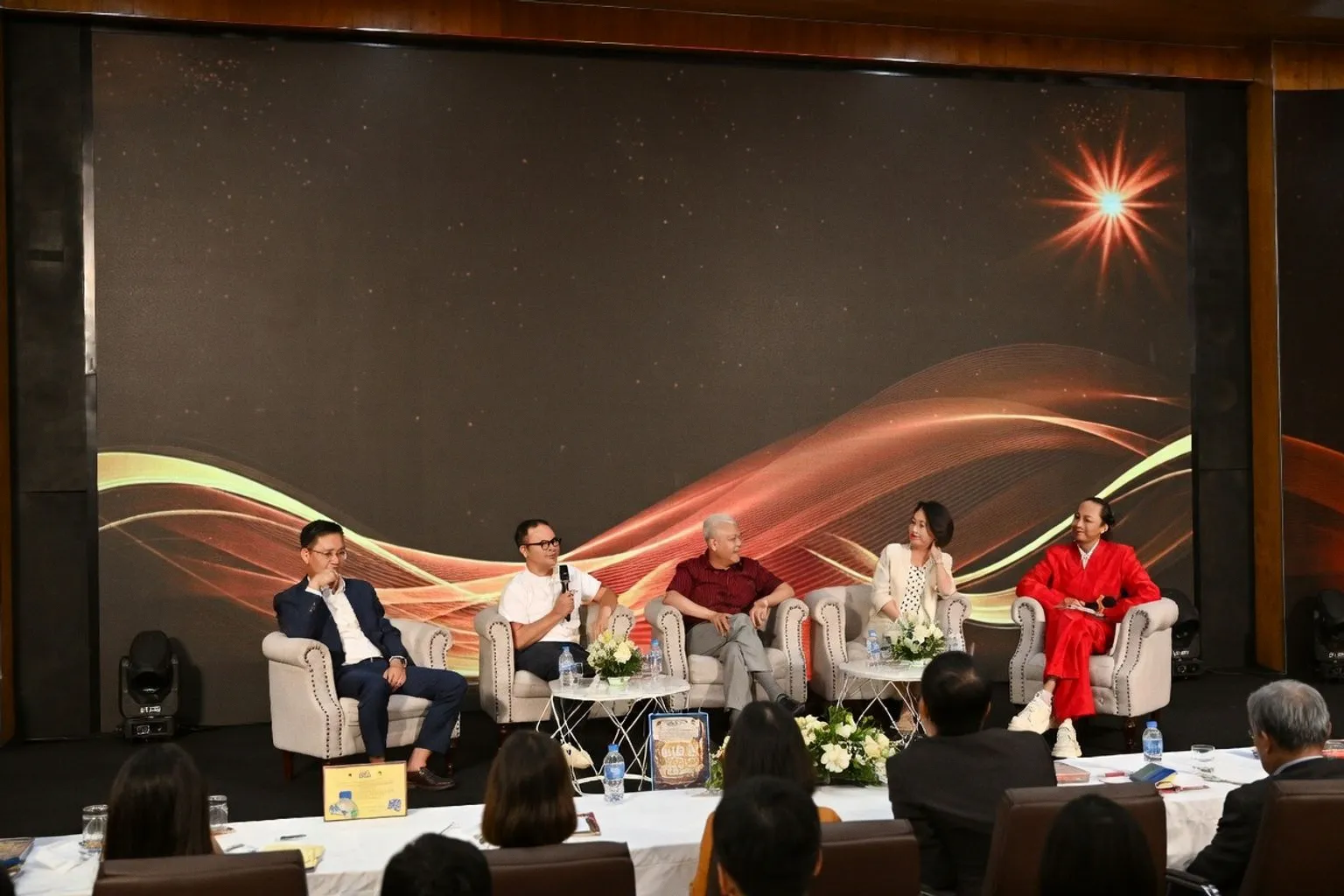
Vietnam's content creation sector could reach 5% of GDP, per Nguyen Lam Thanh, Country Director of TikTok Vietnam, speaking at the Vietnam Digital Content Creation Awards 2026 in Hanoi on August 26. The figure is projected, not measured.
For hotel and resort brands allocating video budget, that distinction is the only metric that matters today.
The figure and the gap
- Event: Vietnam Digital Content Creation Awards 2026 (VCA 2026), organized by the Vietnam Digital Communications Association (VDCA), August 26.
- Estimate: 5% of GDP from content creation. Stated by Thanh during the panel "Digital Creation in the Cultural Industry Value Chain."
- Adjacent reference: Tran Thi Tam, Director of IPCom Vietnam, cited a separate 7% GDP target on the same panel and called it ambitious.
- Measurement status: no standardized methodology exists. Legacy frameworks still classify culture as subsidized enrichment, not as an economic sector.
Why this lands on hospitality marketing
The panel tied promotional content, local stories, and short-form video directly to tourist arrivals at scale. That is the booking-conversion mechanism, restated as macro policy. Three operational reads for property-level visual production:
1. Creator-network spend is graduating from experimental line to infrastructure line. DMOs in the region are scaling partnerships. Independent hotels will absorb the friction when DMO campaigns saturate their target traveler.
2. IP is becoming collateral-grade. Recent rules permit IP rights on balance sheets and as bank collateral. Implementation guidance is the missing layer. Brand-side footage, music, and trademark assets should be catalogued and valued now — before the methodology hardens and valuations reset against you.
3. Attribution is unresolved at the macro level. Until creator-economy revenue is standardized, micro-level booking attribution will stay noisy. Build first-party data capture into every video CTA — landing pages with UTM discipline, on-site heatmap instrumentation, server-side tracking — to hedge against platform-side signal loss.
What to track next two quarters
- Publication date and text of Vietnam's Law on Cultural Industry Development, specifically the measurement-criteria section.
- ASEAN peer adoption — whether Thailand, Indonesia, or the Philippines issue parallel frameworks.
- DMO budget reallocation: creator-network partnerships vs. traditional broadcast and OTA spend.
- IP collateral guidance — once issued, asset-backed lending opens to smaller operators.
- First credible creator-economy revenue figure published under the new framework. That number resets CPM, engagement, and ROI benchmarks globally.