How TikTok’s Government-Backed Creator Training Impacts Hotel Marketing
According to Marketing-Interactive, the platform reports that more than 90% of its Shop sellers in the Philippines are now local businesses.
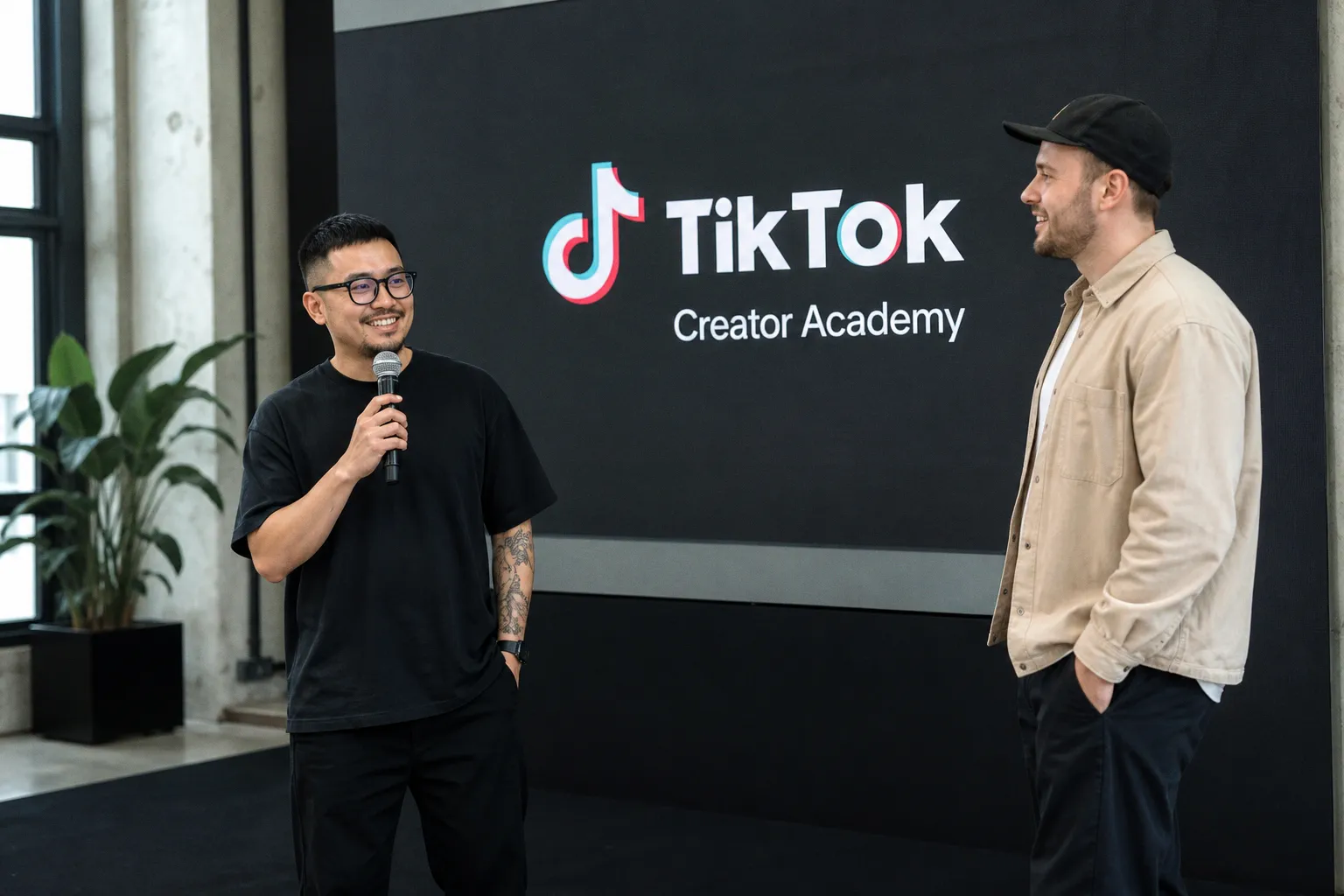
When TikTok launches a government-backed Content Camp to mass-train creators, hotels should calculate the signal-to-noise ratio of their social feeds.
TikTok has partnered with the Philippines' technical education authority, TESDA National Capital Region, to run a special edition of its TikTok Content Camp. The programme targets entrepreneurs, job seekers, and aspiring digital creators with workshops on CapCut video editing, TikTok LIVE engagement strategies, and TikTok Shop's creator affiliate monetisation model. According to Marketing-Interactive, the platform reports that more than 90% of its Shop sellers in the Philippines are now local businesses. That number is a pressure metric for every hotel still debating whether short-form video warrants budget allocation.
What the training actually covers
Three modules. First: CapCut fundamentals — video editing, content packaging, and short-form production techniques. Second: TikTok LIVE — audience engagement, monetisation pathways, and agency support structures for creators. Third: TikTok Shop's affiliate commerce model — revenue generation through commerce-driven content. The curriculum reads like a conversion funnel: attract, engage, monetise. For hotels, this is the exact sequence your booking funnel already optimises. The difference: this training produces thousands of creators who understand that sequence from the demand side.
The competitive friction metric
Yves Gonzalez, TikTok's head of public policy for the Philippines, framed the programme as "practical, industry-relevant digital training." TESDA's Eugene P. Agcaoili called digital skills "increasingly essential across industries." Translation: platform literacy is being normalised. When creator supply scales through institutional training, the friction to publish drops, but the friction to stand out increases. Hotels relying on UGC or influencer partnerships will see content volume rise. Quality differentiation becomes the conversion variable. Professional architectural photography and spatially optimised video production are not competing with smartphone clips — they're competing for attention in an increasingly saturated content feed.
What to track for hospitality visual production
Three data points to monitor. First: engagement rates on hotel-tagged TikTok content in regions with active creator training programmes. If rates compress as supply grows, your paid content needs higher production values to maintain click-through. Second: conversion attribution from TikTok Shop and affiliate links to direct bookings — most hospitality brands still lack clean tracking here. Third: CapCut template saturation. When thousands of creators use the same editing presets, visual homogeneity sets in. Hotels investing in bespoke spatial photography and cinematic video retain a measurable distinctiveness advantage. The ROI question is not whether to be on TikTok. It is whether your visual asset library can outperform a trained creator's smartphone output at the booking decision point.