Vrasio Scales to 2.5 Million Listings: What This Means for Hotel Visibility
The marketplace just got louder, and that is exactly why your visual story matters more than it did last quarter.
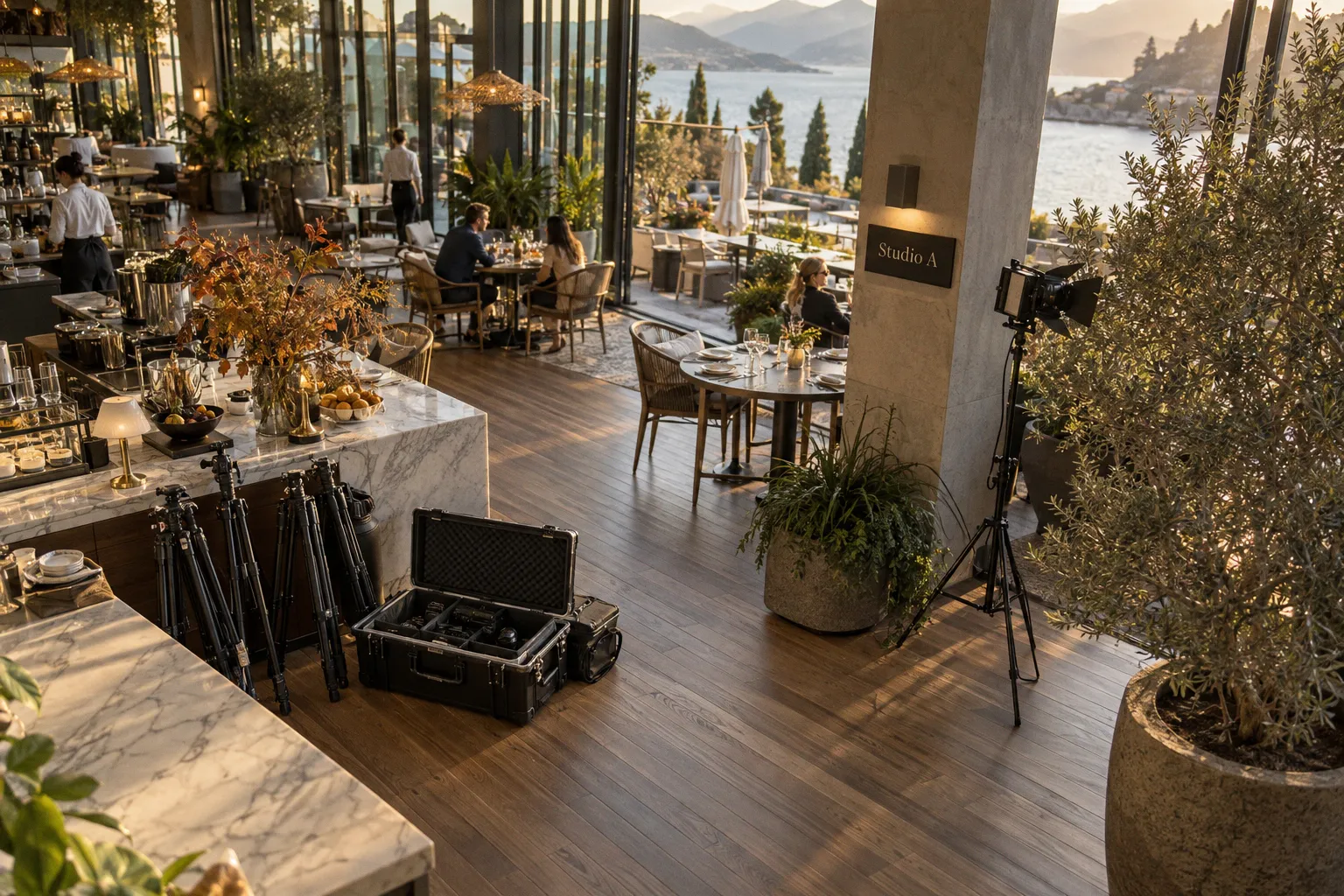
According to a PR Newswire release this week, Vrasio — a travel technology company that built its name in vacation rentals — is opening its platform to roughly 2.5 million hotels, resorts, apartments and villas by Q4 2026, folding them into a single AI-driven discovery engine that matches travelers to stays by preference and intent. For boutique and independent hoteliers, the real headline is not the inventory number — it is what happens to your booking page when every type of stay is sitting next to each other in one search results list.
What Vrasio is actually changing
The company has spent its early life in vacation rentals, and the upcoming hotel launch is described as a step into a broader accommodation marketplace, with hotels and short-term rentals sharing one connected experience. Fred Nguyen, the company's founder and CEO, frames the move around traveler needs rather than category loyalty: a business trip calls for a centrally located hotel, a family trip leans toward a vacation home, a couple's escape might mean a resort. The platform's stated ambition is to let those decisions happen inside one intelligent search — AI sorting properties by destination, budget, group size, trip purpose and personal preference rather than forcing the traveler to pick a category before they begin.
Nguyen has been clear that the goal is not just more inventory. As he put it, a large marketplace is valuable only when travelers can navigate it effectively, which is where the AI layer earns its keep. Intelligent search, personalized discovery and automated ranking are positioned as the connective tissue between 2.5 million listings and a single booking decision.
What this means for your visual content
Here is where I want to slow you down, because this is the part your revenue manager is not going to flag for you. When inventory roughly doubles and a platform's algorithm is making the first cut, the listings that win are the ones the machine can read — and machines read images. Hero photography, room-level detail shots, the texture of your linens in early-morning light, the way your lobby frames the breakfast rush — these become the signals that push a property from page three to page one inside an aggregated marketplace.
I have watched boutique hotels go from invisible to fully booked simply by rebuilding their visual narrative around what a traveler is actually searching for. One property near a coastal wine region was losing every comparison to a national chain because both were ranking for "weekend getaway." We rebuilt the gallery around sensory cues — the salt air on the terrace, the worn grain of the breakfast table, the view from suite four at golden hour — and tied every image to a specific traveler intent the algorithm could match. Occupancy shifted within a season, and the visual library did the heavy lifting.
What to watch before Q4
The launch is planned for the fourth quarter of 2026, and three things are worth keeping on your radar. First, how Vrasio's AI actually weights visual assets in its ranking — early platform documentation will tell you whether richer galleries earn more visibility, or whether the algorithm still defaults to price and review volume. Second, whether independent hotels can opt in to the hotel supply network individually, or whether onboarding runs through a partner channel manager — that decision will shape how quickly small properties can compete on the same shelf. Third, how the unified marketplace handles brand voice, because when a family-run boutique sits next to a managed apartment building, the only thing separating them at scroll speed is the emotional pull of the imagery.
The platforms are getting smarter, and the booking path is becoming more crowded by the quarter. Your photography budget is no longer a marketing line item — it is the interface between your property and the algorithm deciding whether a traveler ever sees your name.