Why AI Video Tools Are Essential for Modern Hospitality Marketing
A new report from the BBC and ScreenSkills is putting the spotlight on the people quietly reshaping how we tell visual stories — and the findings land remarkably close to home for anyone running a…
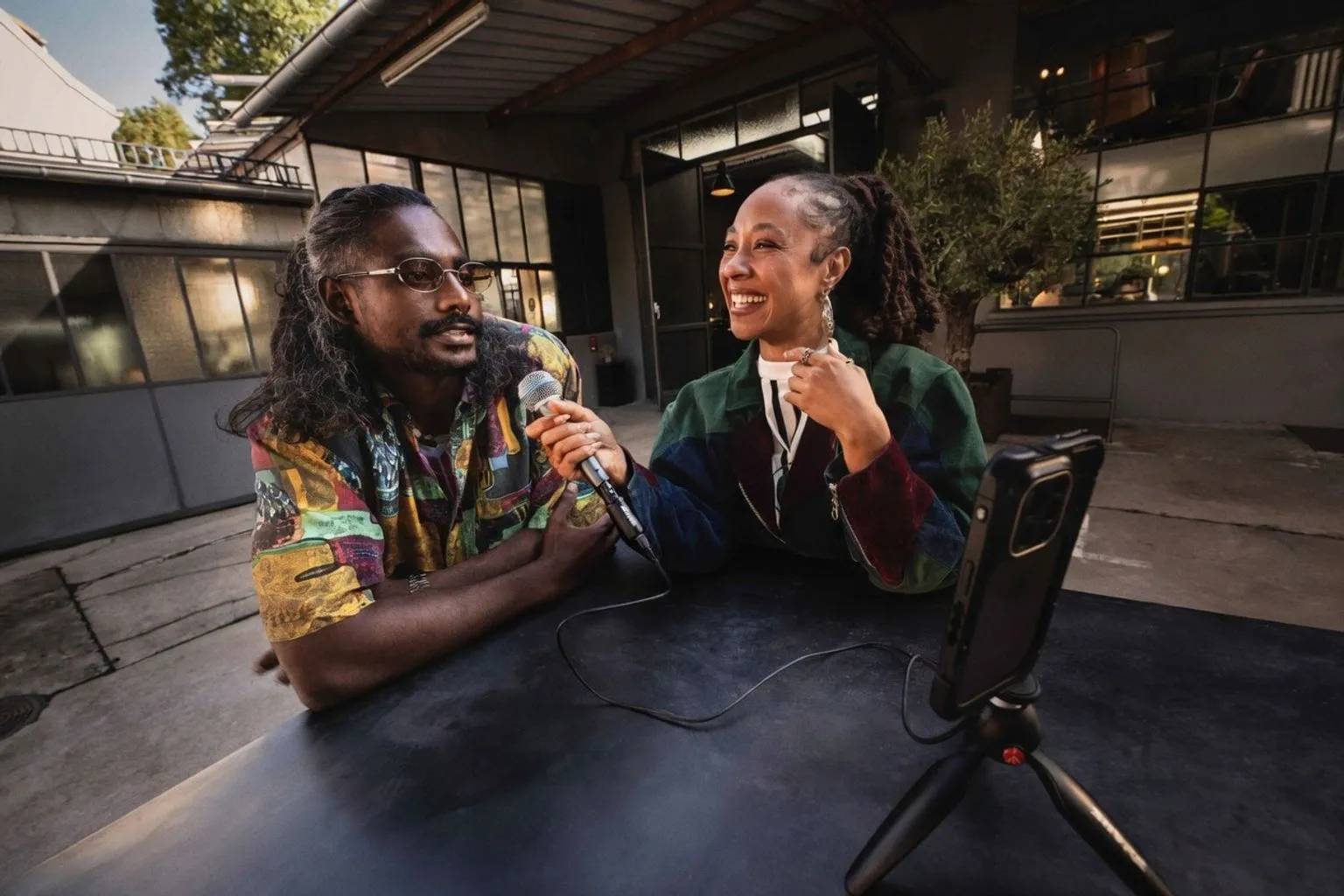
A new report from the BBC and ScreenSkills is putting the spotlight on the people quietly reshaping how we tell visual stories — and the findings land remarkably close to home for anyone running a hotel, a boutique, or a short-stay brand in 2026.
The rise of the one-person studio
According to the study Creator Skills: Progression, Provision and Priorities, carried out by creative industries consultancy Olsberg•SPI, more than six in ten UK digital content creators manage absolutely everything themselves — scripting, filming, editing, posting, and running the business side too. That figure stopped me mid-scroll, because it describes almost every independent hotelier and small hospitality brand I work with. The marketing lead at a 24-room coastal property I advised last quarter was also the in-house photographer, the TikTok editor, the email writer, and the booking funnel analyst — sometimes all before breakfast.
The report — which engaged directly with digital content creators and screen industry representatives — frames this as a sector contributing more than £2.2 billion to UK GDP and supporting thousands of jobs. ScreenSkills executive chair Lisa Opie noted that the digital content creator sector "plays a significant part in the UK screen and creative economy," and called on the film and TV industry to "convene and continue to champion" creators the same way it supports traditional talent pipelines.
What actually sets good content apart now
Here is the detail that matters most for hospitality marketers reading this: the report finds that while technical skills like editing and sound recording remain fundamental, they are no longer the differentiator. What separates standout creators is pre-production planning, lighting intuition, animation, post-production polish, and increasingly, VFX awareness. In other words, the bar for "good enough" footage has collapsed — but the bar for memorable footage has climbed sharply.
That tension shows up everywhere in our space. AI video generators are flooding the market with quick-turn visuals, and several recent industry pieces note that small-business owners are increasingly stepping into the creator role themselves. The temptation, I see it constantly, is to let the tool do the heavy lifting and post the output directly. The report gently pushes back on this — noting that as creators take on more sophisticated production workflows, the overlap with film and television skills extends across animation, post-production, and VFX.
For hotels, this maps directly onto something I repeat to clients: your room tour is no longer competing with the hotel down the street. It is competing with a Netflix travel series, a creator's cinematic Bali reel, and an AI-rendered fantasy suite someone scrolled past three minutes ago.
What hoteliers should actually do with this
So where does this leave a property owner who is already stretched thin, already their own content team, already wondering whether to invest in another AI tool? Three practical takeaways from the report's framing:
First, audit your pre-production, not your editing suite. The report identifies planning and logistics as the upstream skill most worth developing — and the same applies to a property's content. Before another shoot, decide what story the lobby, the breakfast table, and the suite window are telling, in that order.
Second, treat post-production as the differentiator, not the shortcut. If AI handles the first cut, your human edge should live in colour, sound design, and pacing — the sensory texture that makes a viewer imagine the weight of the linen.
Third, notice the gap the report flags around safeguarding and business best-practice training. Hospitality creators — especially those hosting influencers on-property — sit in a similar grey zone. Build your own checklist before the next collaboration, not after.
Why this story deserves a second look
Headlines about AI video tools arrive daily, and most of them dissolve on contact with reality. This one is worth pausing on because it comes from a structural study, not a vendor pitch — and because it confirms what hoteliers already feel in their bones: the person behind the camera is now the strategy, the production team, and the brand voice rolled into one. The properties that will book consistently through 2026 and beyond are the ones treating that person as a craftsperson, not a content factory.
For our work at shootyourstay — where architectural photography, spatial styling, and booking psychology meet — the message is consistent. Technology will keep lowering the floor. Your job is to raise the ceiling.