Beyond the Hype: Evaluating Chef Hussein Fayad as a Marketing Asset
According to Wardana, a story titled “Chef Hussein Fayad: A Culinary Icon and Digital Content Creator” has entered the current news cycle.
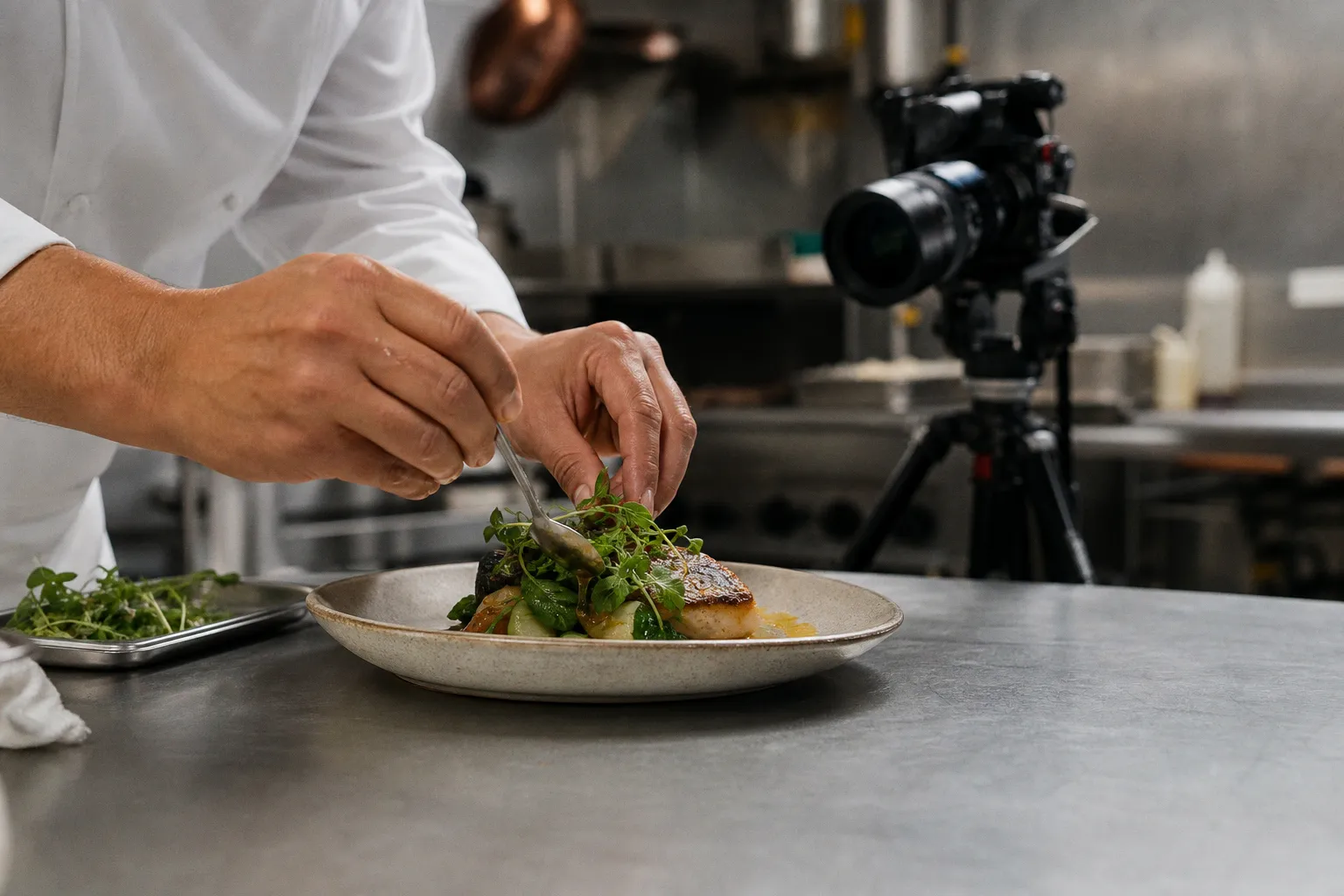
The available evidence confirms the headline, but not the chef’s biography, platform reach, campaign results, or commercial partnerships. For hospitality brands, the important signal is narrower: culinary identity and digital content are being treated as one marketable proposition, but the conversion value remains unverified.
The evidence is a headline, not a performance case study
The Wardana entry contains no source text beyond the title. That creates a hard reporting limit. There is no confirmed information on:
- Hussein Fayad’s restaurant or hospitality affiliations.
- The platforms used for publishing.
- Audience size, engagement rate, or video views.
- Brand deals, speaking work, or campaign outcomes.
- Any booking, revenue, or traffic impact.
Calling Fayad a “culinary icon” is therefore a description supplied by the source headline, not an independently documented performance metric. For a hotel, restaurant, or destination brand, that distinction matters. Recognition is not the same as measurable distribution. Distribution is not the same as conversion.
A content creator can produce strong visual assets and still generate a weak ROI if the audience does not overlap with the property’s booking market. The same applies to a chef-led campaign: a high view count does not establish room nights, table reservations, qualified traffic, or lower bounce rate.
What the creator-economy context actually supports
A separate source describes celebrity creators as public figures who use digital platforms to create and distribute original content. Its broader framing is clear: creators may publish videos, social posts, podcasts, livestreams, newsletters, and other media while controlling their own messaging and audience relationship.
That context is relevant to hospitality production, but it does not confirm that Fayad uses every format listed. It only establishes the category in which the story is being positioned: a public culinary figure whose value may extend beyond traditional food coverage into direct digital publishing.
Two additional headlines add market pressure to the picture. Mjengo Hub reports a financial crisis among digital creators despite millions of views. A report from Межа. Новини України. says US universities are turning content creation into a career path as the creator economy expands. Neither item provides facts about Fayad. Together, they reinforce a practical constraint for hospitality marketers: creator visibility is becoming more formalised, but attention alone cannot be used as a financial proxy.
The production brief should therefore start with the funnel, not the personality.
- Reach: Which audience is being delivered, and in which market?
- Attention: Are viewers watching the food sequence, the property sequence, or leaving before the offer appears?
- Intent: Is there a trackable click, enquiry, reservation, or booking-page visit?
- Conversion: Does the landing page preserve the visual promise made in the video?
- Cost: What is the fee relative to attributable commercial output?
The verification checklist for hospitality teams
Before attaching a chef or creator to a property campaign, request documented evidence rather than relying on the label “icon” or “influencer.” The available reporting does not provide it.
Check the following:
1. Audience data. Require platform-native analytics, not screenshots of public follower counts.
2. Geography. Confirm whether the audience overlaps with the property’s target guests.
3. Content fit. Review previous food, hotel, or destination work for framing, focal length, sound quality, and consistency.
4. Tracking. Use a dedicated landing page, campaign code, or booking path. Without attribution, ROI is an assumption.
5. Rights. Confirm whether the hotel can reuse the footage in paid media, booking pages, email, and digital-out-of-home placements.
6. Split-test design. Compare creator-led creative against the property’s existing assets. Measure click-through rate, bounce rate, and completed booking actions.
The current reporting does not establish a campaign, partnership, or result involving Chef Hussein Fayad. It establishes a positioning: culinary authority paired with digital content creation. Treat that as a lead for verification, not as proof of commercial performance.