How AI Hallucinations Are Compromising Destination Branding and Guest Trust
As PhocusWire reports from the WiT conference floor, travel industry leaders gathered to wrestle with a problem I keep encountering in my own consulting work: destination marketing organizations are…
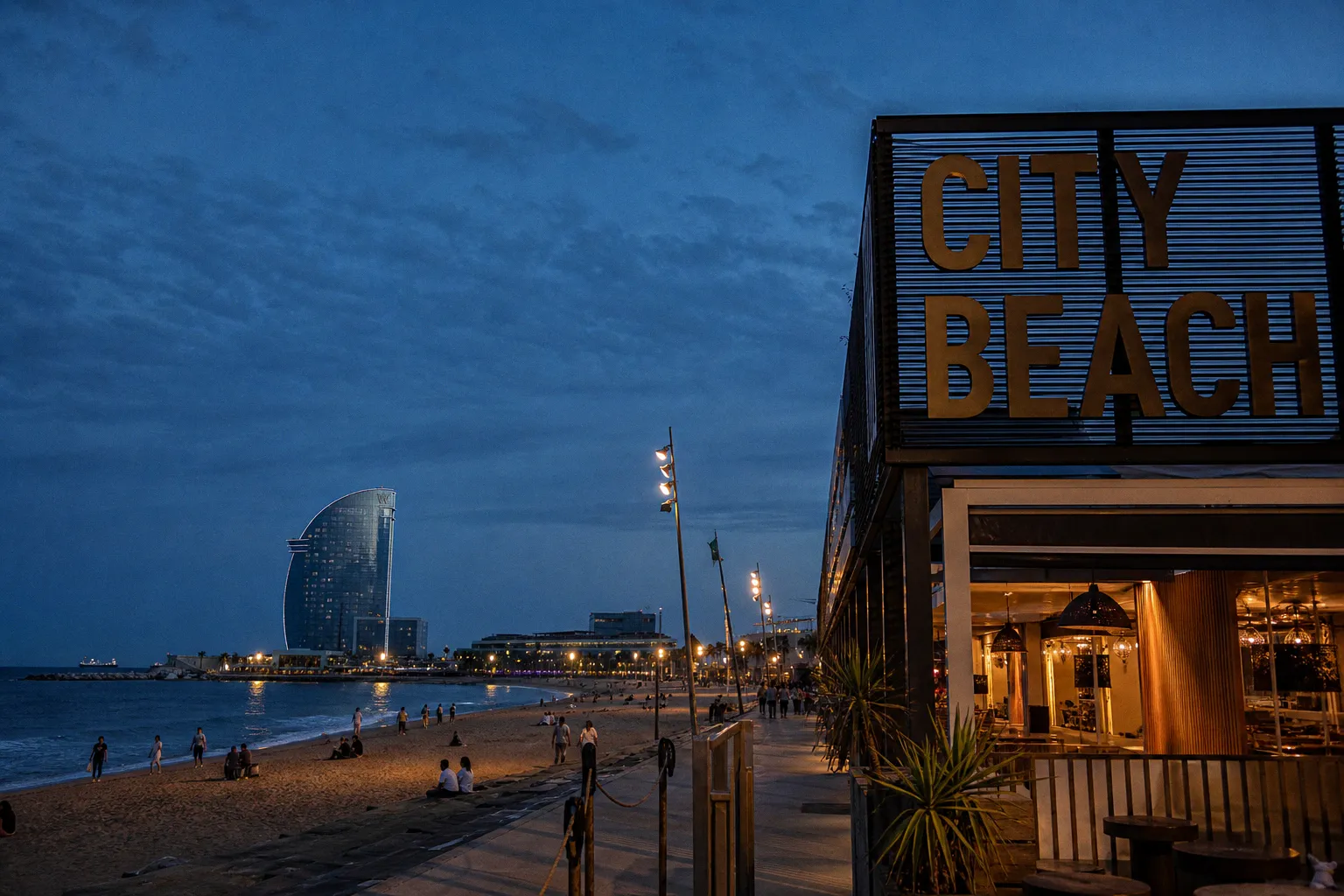
As PhocusWire reports from the WiT conference floor, travel industry leaders gathered to wrestle with a problem I keep encountering in my own consulting work: destination marketing organizations are discovering that AI search tools are quietly inventing details about the places they represent — fabricated landmarks, invented hours, hallucinated neighborhoods — and that travelers are beginning to trust those fabrications as gospel.
Why this lands harder on hoteliers than it might seem
I have watched this unfold with properties I advise, and it stings every time. A boutique hotel in Lisbon can pour months into perfecting its visual narrative — the morning light falling across the tilework, the texture of the linen, the specific warmth of the welcome desk — only to find that an AI assistant confidently tells a potential guest the hotel sits three blocks from a landmark it doesn't actually overlook. The guest arrives expecting a view that does not exist. The hotel's carefully built sense of place? Compromised before check-in even begins.
This is the tension WiT panelists surfaced, and it deserves attention. DMOs can no longer assume their brand context travels intact through AI-mediated discovery. Hallucinations erode trust at exactly the moment a destination needs to convert curiosity into a booking — which, as anyone in hospitality knows, is the entire game.
What destinations are beginning to do about it
The shift I see playing out among the DMOs I follow right now centers on a few practical moves. Building redundant verification layers — structured data, schema, authenticated visual assets — so that when AI systems reach for information, they pull from sources a destination controls rather than scraping the open web. Doubling down on the kind of rich, sensory content AI still struggles to fabricate convincingly: real photography, location-specific video, storytelling rooted in actual guest experience. And treating brand trust itself as something you actively publish and protect — not something you assume will simply hold because it used to.
For hoteliers and destination marketers tuning in, the implication runs deeper than a technical checklist. Your visual content strategy is no longer just an aesthetic conversation — it is your first line of defense against being misrepresented in a discovery landscape that increasingly answers questions without ever sending visitors to your website. The destinations and properties that will hold their ground in the next chapter are the ones whose authentic texture — the atmosphere, the light, the sense of arrival that only a real camera in a real place can capture — becomes structurally harder for AI to distort in the first place.