How Virtual Production Is Revolutionizing Hospitality Marketing in Kenya
A boutique lodge in Laikipia just sent me a reel that would have required a helicopter, three permits, and a weather window last year — a sunrise shot over the conservancy, a dusk scene on the coast…
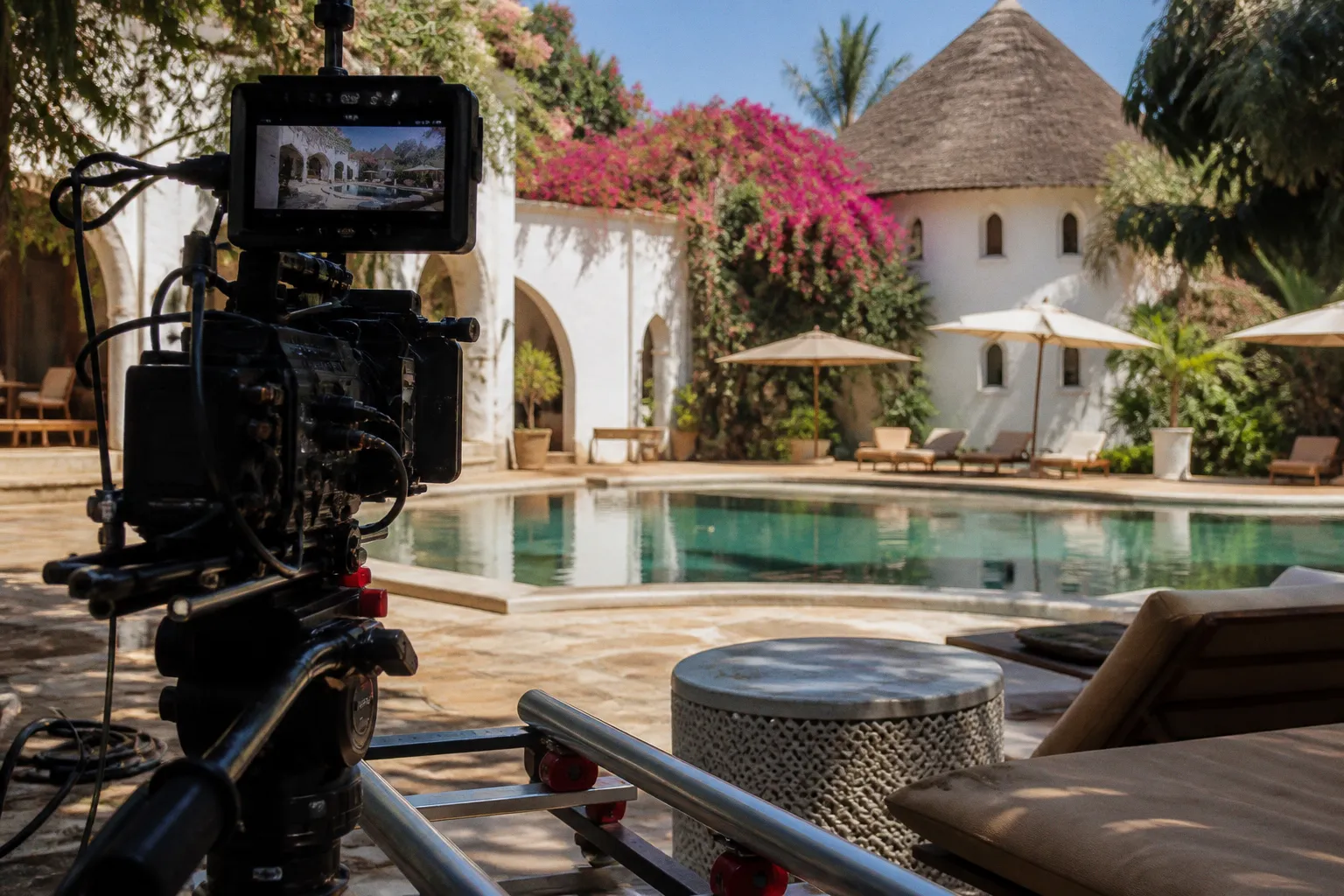
A boutique lodge in Laikipia just sent me a reel that would have required a helicopter, three permits, and a weather window last year — a sunrise shot over the conservancy, a dusk scene on the coast, a candlelit dinner in a cave restaurant — all filmed in a single afternoon inside a Nairobi warehouse. That is the conversation I keep having with hoteliers right now, and it is exactly why the virtual production wave reshaping Kenya's film industry deserves a place on every property's marketing roadmap.
What shifted, and why it matters for your visual narrative
According to reporting from Streamlinefeed, Kenyan production houses are rapidly adopting virtual production — a workflow that fuses physical set design with real-time digital rendering, anchored by LED volumes, massive arrays of panels displaying photorealistic, three-dimensional environments generated by software originally built for video games. When an actor steps onto a virtual stage in Nairobi, the report explains, they are no longer performing against a blank green wall — they are immersed in a dynamic digital world that reacts instantly to the movement of the physical camera.
For a hotel brand, this collapses the distance between the shoot you want and the shoot you can afford. A director can move subjects from a digital replica of the Maasai Mara at sunrise to a neon-lit cityscape without breaking the lighting setup — meaning your property can sell multiple "experiences" in a single session rather than booking three separate location trips.
The economics that change your content calendar
The financial case is where I see hoteliers' ears perk up. As Streamlinefeed outlines, traditional visual effects pipelines separate principal photography from post-production — directors shoot against green screens and wait weeks or months for digital artists to composite backgrounds. Virtual production collapses that timeline by bringing post-production onto the live set, which means faster turnaround on the seasonal campaign your revenue manager keeps asking for.
Location shoots carry costs most hoteliers underestimate until they see the line items — permits, transport for dozens of crew members, unpredictable weather, ambient sound control. A virtual stage centralizes those variables, allowing a crew to shoot multiple locations globally in a single day without leaving a climate-controlled studio. The initial capital expenditure for high-resolution LED panels and specialized computing hardware remains steep, but the operational savings are transformative for independent properties and corporate content producers — particularly those juggling tight seasonal windows.
Where the ecosystem is heading
The discipline is not new, but its democratization is fresh. The trajectory traces back to James Cameron's 2009 film Avatar, which used early motion-capture and simulcam technology, and accelerated with Jon Favreau's work on The Lion King (2019), where a traditional film crew operated equipment inside virtual reality headsets. Today, as the reporting notes, top-tier Hollywood productions rely on platforms like Disguise for pixel-perfect LED management, while independent creators in Kenya are leveraging accessible real-time engines — Epic Games' Unreal Engine — and mid-range display technologies to achieve broadcast-quality results.
Institutions like the Africa Digital Media Institute (ADMI) and the Kenya Film Commission (KFC) have begun structuring curriculum and funding frameworks to support the emerging technology, positioning the region as an outsourcing hub for global studios. That matters to you because the talent pool feeding your next campaign is being trained right now in real-time 3D artistry — and they will be competitively priced compared to the London or Cape Town post houses most luxury brands default to.
What to watch before you brief your next agency
Before you rush to spec a virtual production shoot for your property, a few practical checkpoints from my own consulting work:
- Ask the production house which engine they are using — Unreal Engine is the current standard, but rendering capacity and licensing vary.
- Confirm the LED volume resolution against the final delivery format; a wall that looks stunning in 4K social cuts can fall apart on a 65-inch lobby screen.
- Pilot with one hero asset — a signature suite, a landmark experience — before you retool your entire annual content calendar.
The technology is no longer a Hollywood novelty. For hospitality brands willing to ask the right questions early, it is becoming the most efficient way to translate a sense of place into the cinematic visual narrative that drives direct bookings.