Panasonic Lumix L10: A Versatile Compact Solution for Hospitality Content Teams
According to Engadget's hands-on review, the Panasonic Lumix L10 arrives at $1,500 with a 24-75mm f/1.7-2.8 zoom and a 20.3-megapixel Four Thirds sensor—a compact aimed at users priced out of interchangeable-lens systems.
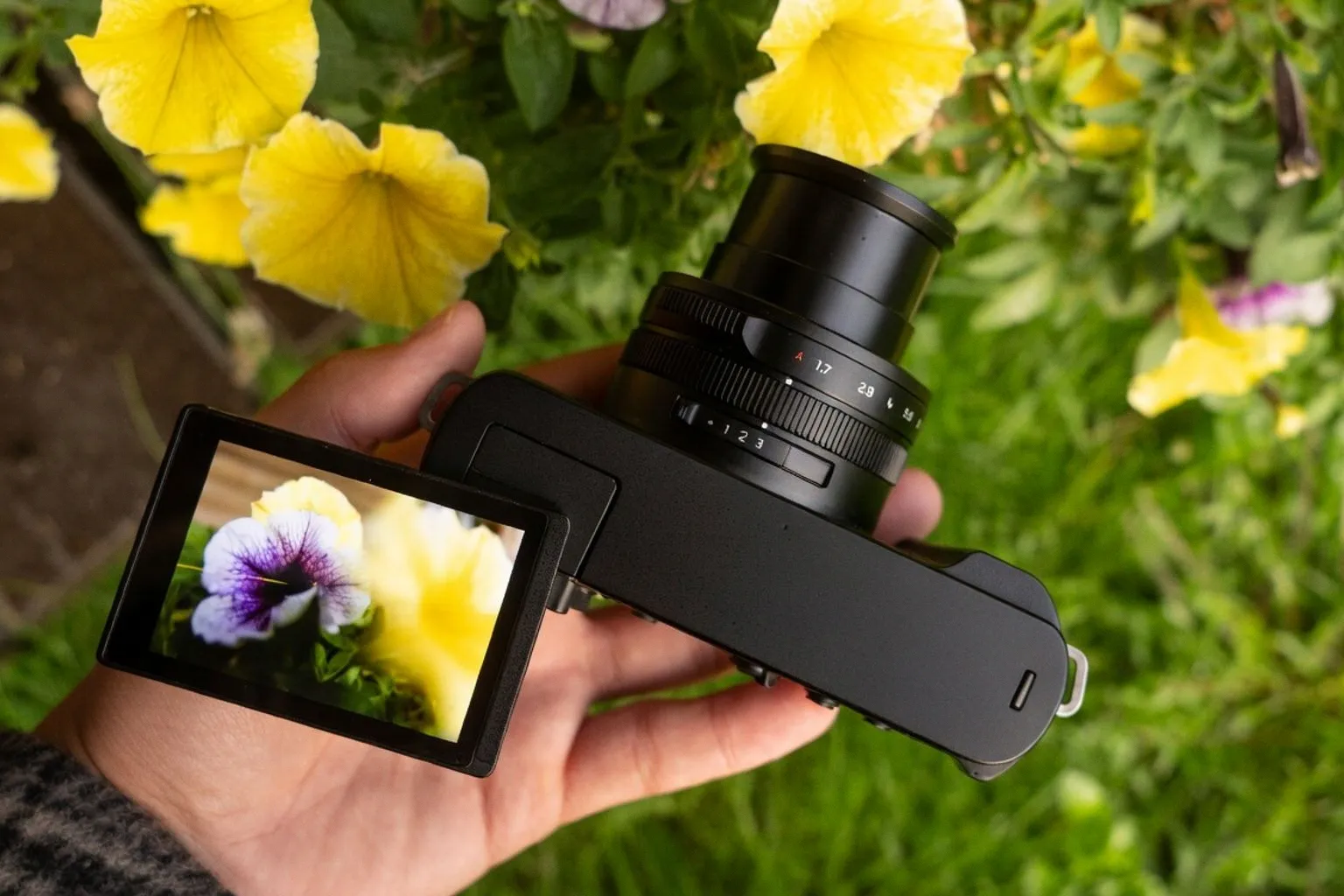
For hospitality content teams running lean shoots, the lens range is the variable that matters. Three lenses collapse into one body. That is the pitch. Here is the data.
The Spec Sheet That Matters for Property Shoots
Sensor: 20.3MP Four Thirds, cropped from the GH9 II's 26.5MP chip. Resolution climbs from the LX100 II's 17MP.
Lens: 24-75mm equivalent Leica zoom at f/1.7-2.8, recycled from the LX100 II.
Burst: 9 fps mechanical with continuous AF. 30 fps electronic.
Weight: 508 grams—116 grams heavier than the LX100 II.
Battery: 420 shots per charge, or 1,000 in power-saving mode. 100 minutes of 4K 60p recording.
Display: Fully articulating 1.8-million-dot rear panel.
EVF: 2.34 million dots.
Macro focus: 3cm at 24mm wide end, 30cm at full zoom.
The 24-75mm range covers what a property walkthrough demands: wide interiors, mid-range room details, exterior establishing frames. Macro handles amenity flat-lays. Three primes become one body. That is the operational argument for hospitality teams shipping content on tight schedules.
Where the L10 Sits in the Compact Stack
B&H's August 2026 trending list, reported by Digital Camera World, ranks the Sony RX10 V first with its 24-600mm superzoom, followed by the Canon EOS R6 Mark III mirrorless, the Godox C100 compact, the Canon EOS Rebel T7 DSLR, the Canon EOS R5 Mark II, Sony A7 V, Fujifilm X100VI, Canon PowerShot SX740 HS, and Leica D-Lux 8. Sony launched the RX10 V in India this month with a 20.1MP sensor and 4K 120p video, according to FoneArena.
The X100VI locks focal length at 35mm equivalent. The RX10 V trades sensor size for reach. The L10 splits the middle: smaller sensor than full-frame, flexible zoom versus fixed prime, mid-weight versus pocketable. At $1,500 it sits between the mid-range RX100 class and entry mirrorless kits.
Friction Points and the Conversion Math
Weight at 508 grams is not pocketable. Shooters logging 20+ rooms in a session will feel it by hour three.
Controls changed. Shutter speed and exposure compensation dials from the LX100 II are removed. Twelve programmable buttons replace them. Operators trained on the prior body lose muscle memory.
The viewfinder sits at 2.34 million dots—adequate, not sharp. The rear LCD is fully articulating, an upgrade over the LX100 II's fixed panel. Outdoor property shoots in bright ambient light still benefit from an EVF over a fixed screen; Canon PowerShot V1 dropped the EVF entirely, the L10 retains one.
The SD UHS II slot sits in a separate compartment from the battery. Card swaps do not disturb the battery. Multi-property shoots save time on workflow. DMW-BLK22 battery compatibility across most Panasonic bodies means one charger, one SKU, for teams running mixed kits.
At $1,500 the L10 sits above mid-range compacts and below entry mirrorless kits. The trade is fixed zoom versus lens-swapping flexibility. For boutique hotels producing social-first content without dedicated photographers, one body, one workflow, one battery type compresses the kit. Compare against the RX10 V for superzoom reach or the X100VI for fixed-prime editorial aesthetics before the order ships.