Walibi Belgium tickets: a creator's step-by-step booking route
Seven days is the key threshold in the Walibi Belgium ticket system. Dated online tickets booked at least a week before the visit sit in the lowest published advance tier. Gate purchase is the expensive fallback.
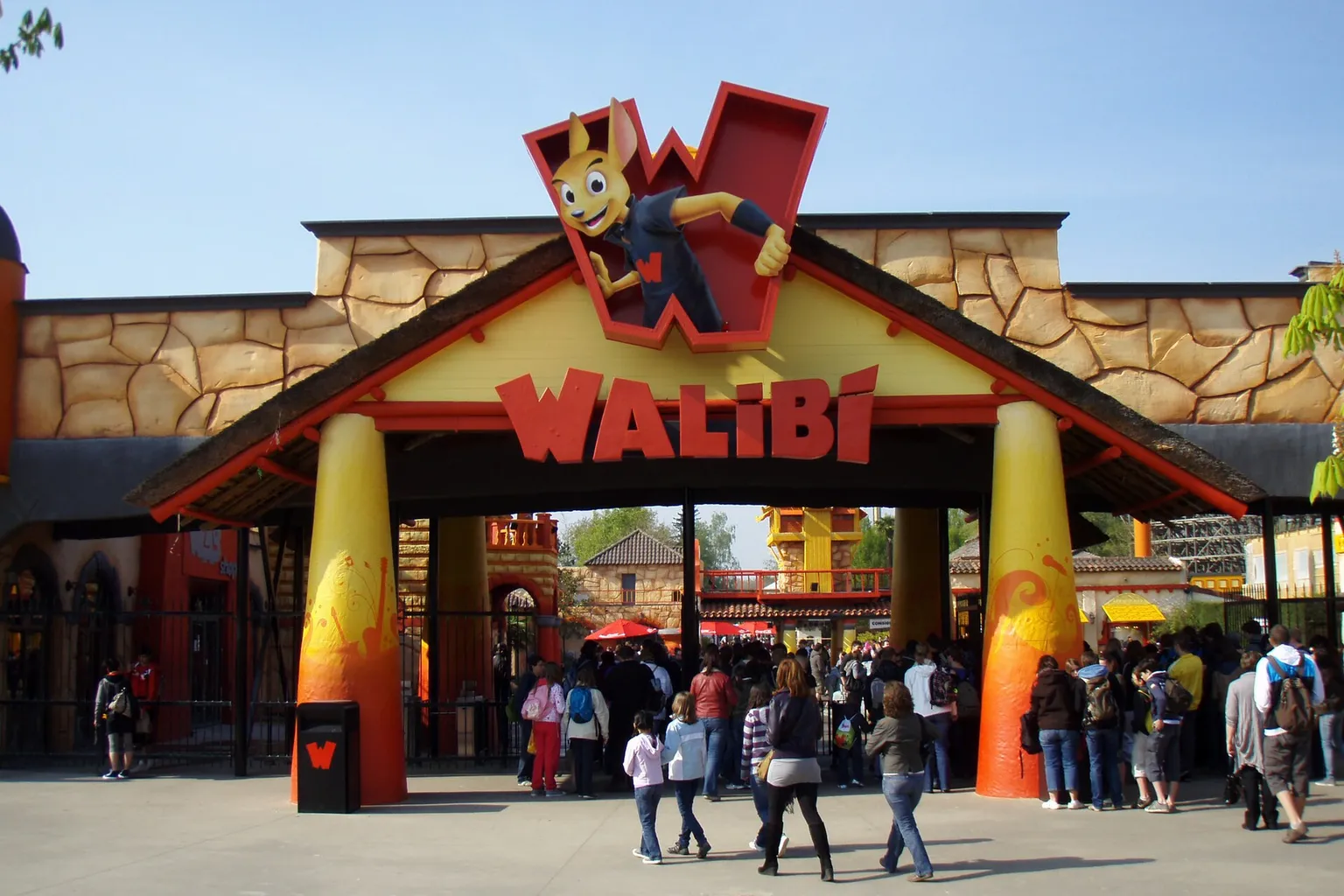
It also creates friction at the exact moment a visitor wants to enter, shoot the first content, and move towards the rides.
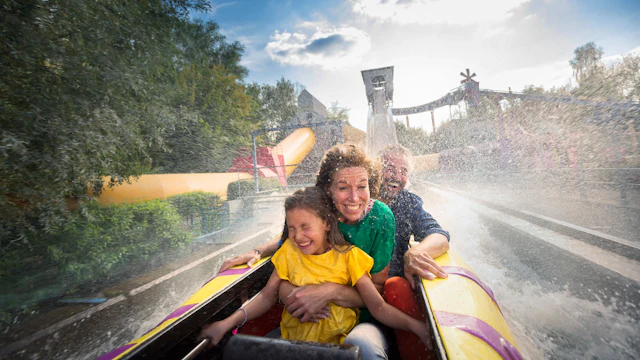
Walibi Belgium
Available at short noticeLast price check: August 20, 2026.
Fares move with the date and demand — check today's price on the booking page.
Partner ticket shop GetYourGuide (affiliate link)The booking route is not complex. It is conditional. Price depends on the visit date, ticket type, visitor category, and how early the reservation is made. SPEEDY passes are separate. Train transport can be added during checkout. Extended opening days create an additional date-registration requirement for some ticket holders.
That is the operational picture. The cheapest entry is not a discount trick. It is a booking sequence: select the date, book early, and remove avoidable gate decisions.
The financial logic of advance online booking
The basic decision is simple: choose a dated online ticket before arriving. The later the booking, the weaker the rate. Buying at the entrance removes flexibility and usually produces the worst financial result.
Walibi Belgium uses tiered advance pricing. The useful cutoff points are:
- Seven or more days before the visit: lowest advance tier.
- Five to six days before the visit: higher advance tier.
- Three to four days before the visit: higher again.
- On the day or at the entrance: gate reference price.
The exact amount displayed in the booking interface can change. The mechanism is more stable than the amount. Book early, choose a date, and avoid treating the gate as a neutral alternative.
For a content team, this matters beyond the ticket line. A dated booking forces the production plan to become specific. That is useful. It locks the visit date, anchors the production day, and pushes an early decision on whether the day is optimised for rides, architecture, short-form content, or a mixed schedule.
An undated ticket offers more flexibility. It also introduces conditions. On extended opening days running from morning into late evening, holders of undated tickets and most passholders must complete an online date booking before visiting. They cannot assume that an undated product means unrestricted entry on those days.
The booking page should therefore be treated as a control panel. Before payment, verify:
- The selected visit date.
- The admission category.
- Whether the ticket is dated or undated.
- Whether a date reservation is required for that ticket.
- Whether any add-on is being purchased separately from admission.
- Whether transport is included or added as a separate checkout option.
- Whether parking needs to be added to the order.
The cheapest route is not a discount trick. It is a booking sequence: select the date, book early, and remove avoidable gate decisions.
Why dated tickets are usually the correct default
A dated ticket is the cleanest option when the visit is planned around a production schedule. It reduces uncertainty. The downside is reduced flexibility if weather, transport, or client timing changes.
That trade-off should be calculated before payment.
A photographer working around daylight may prefer a flexible ticket if the exterior shoot depends on weather. A social team with a fixed campaign date should normally choose the dated route. A family visiting during a holiday period needs to check the calendar before assuming that a flexible product will provide direct access.
The correct ticket depends on the production constraint:
| Planning condition | More suitable route | Main risk |
|---|---|---|
| Fixed campaign date | Dated online ticket | Less flexibility after booking |
| Uncertain weather | Undated ticket, subject to date rules | Additional registration on extended days |
| Early booking | Dated ticket booked in advance | Date must be selected correctly |
| Same-day decision | Gate or late online purchase | Higher cost and more queue friction |
| Ride-focused day | Admission plus SPEEDY option | SPEEDY does not include admission |
| Rail arrival | Admission with SNCB return add-on | Train timing still needs separate planning |
| Large equipment load | Admission plus parking | Driving and unloading still take time |
Do not optimise only for the displayed ticket price. Optimise for total friction. A cheaper ticket that forces a missed train, a second booking step, or a badly selected date is not a cheaper production day.
What to decide before opening the booking page
The fastest way to make a mistake is to begin checkout before deciding what kind of day you are buying.
For a standard leisure visit, the decision may be limited to date, visitor category, and transport. A creator or hospitality content team has more variables:
1. Is the visit tied to a campaign deadline?
2. Does the shoot depend on dry weather or specific daylight?
3. Are the rides central to the final edit, or are they only part of the atmosphere?
4. Is the team travelling light enough for rail?
5. Will the group need repeated access to selected attractions?
6. Does the schedule extend into the evening?
7. Are all visitors using the same ticket category?
These questions do not require a complicated production document. They simply prevent the admission ticket, fast-lane product, transport, and parking from being selected as unrelated purchases.
The most reliable route for a fixed shoot is to settle the date first, then build the order around it. If the date is still uncertain, flexibility may be worth more than the lowest advance price. That is a real trade-off, not a reason to default to the most expensive option.
Navigating tiered pricing and date-specific requirements
The price ladder is simple in shape. The catch sits inside the calendar.
The date ladder in practice
The advance pricing model rewards early commitment. The savings between the cheapest advance tier and the gate reference price can fund transport, parking, or a fast-lane pass. That is the financial logic of advance online booking in operation.
For a content team, the date ladder has a second meaning. A shoot booked three weeks out locks crew availability, equipment rental, and any external talent or client review windows. A shoot booked two days out does none of that. The earlier the calendar decision, the more downstream production variables fall into place without further negotiation.
The date should also be checked against the park’s operating calendar rather than assumed from a general travel itinerary. Seasonal opening, special events, and extended hours can change both the value of the visit and the amount of preparation required.
Extended opening days and date registration
Days that run past the standard closing window change the booking route. Undated ticket holders and most passholders need a separate online date registration for these days. The ticket is not enough on its own.
Pass category matters here. Ruby and Diamond passholders are exempt from the additional date-registration step on extended days. Other pass categories are not. This is the kind of detail that turns a smooth entry into a gate-side adjustment.
For a creator, the practical question is whether the production plan requires an evening shoot. If it does, the calendar check has to happen before ticket selection. The ticket follows the calendar, not the other way around.
Do not leave this step to the day before arrival. A date-specific condition is easy to overlook when the focus is on the headline ticket price. It is also easy to miss when several people are travelling under different products. One visitor may hold a dated ticket, another an undated ticket, and a third a pass with its own conditions.
Seasonal operation and the 2026 calendar
Seasonal programming changes both pricing and visual content. For 2026, the main park season is scheduled to reopen on April 4. The Halloween event period, Ibilaw, is scheduled from October 10 through November 11. Walibi Winter is scheduled from December 5 through January 3, 2027.
Seasonal operation changes the content plan. Halloween and winter programming alter the available visual material, operating rhythm, and preferred shooting window. They can also affect visitor volume and the value of a fast-lane add-on. Confirm the live calendar before locking a commercial schedule.
This is particularly relevant to hospitality businesses creating destination content. A hotel or regional tourism campaign may be selling more than a ride visit. It may be selling a weekend, an evening atmosphere, or a seasonal itinerary. The ticket date should fit that wider story. A winter arrival sequence, a Halloween-focused reel, and a summer family itinerary require different shooting priorities even when the booking interface looks broadly the same.
Keep the booking record usable
Once the order is complete, keep the confirmation accessible to everyone who needs it. The person managing the camera kit may not be the person who made the purchase. The person driving may not know whether parking was included. A simple shared record avoids a surprising amount of arrival friction.
The useful information to keep together is:
- Visit date.
- Number and type of admission tickets.
- Any date-registration confirmation.
- SPEEDY product, if selected.
- Parking status.
- SNCB return ticket status.
- Names or category details that may need to match identification.
This is not administrative overkill. It is production continuity. If the group is split between a car and a train, or if one person arrives later, the booking details should not live only in one person’s inbox.
Entry rules for children, seniors, and special access
The height threshold governs the standard child rule. Visitors above 1.40 metres use the regular individual admission route.
Children under 1.00 metre, measured with shoes on, enter free of charge. That measurement detail matters. It is not a vague age-based rule. It is a height-based entry condition applied at the gate. A child measured at 1.01 metres does not enter free. A child measured at 0.99 metres does.
Other categories can access lower advance tiers through the online system, including:
- Children between 1.00 and 1.40 metres.
- Seniors aged 65 and over.
- Visitors who meet the park’s current conditions for reduced admission or access support.
The eligibility route should be selected during booking rather than improvised at the gate. Mixing categories inside one booking is supported. One wrong category can create an adjustment problem at entry.
Senior visitors
Senior pricing applies to visitors aged 65 and over. Identification may be required at the entrance, so the person using the reduced category should carry suitable proof. The simplest path is to select the senior category during online checkout, complete the booking, and bring matching identification on the day.
For a creator shooting content for an older demographic, the senior category is also a content decision. Family groups, multigenerational visits, and quieter midweek slots may call for a different editorial emphasis from a youth-oriented adrenaline reel. The audience the content serves should drive the ticket category selection, not just the demographic of the visitors in the booking.
Children and height-based admission
Height-based rules are particularly easy to mishandle in mixed groups. A child’s age may be obvious while the relevant admission category is not. The booking should be built around the category shown by the park, with the height condition checked before payment.
For families producing content, this also affects the day’s rhythm. A child who qualifies for a different ticket category may not have the same access to every ride as a taller visitor. The admission decision and the shot list should therefore be considered together. Do not promise a sequence built around an attraction before checking its own restrictions.
Visitors with specific access requirements
Access arrangements, eligibility conditions, and any documents or advance steps can change. Visitors who need accessibility support should check the current requirements directly with Walibi Belgium before booking and again before the visit if the trip is planned well in advance.
That verification should cover the points relevant to the group:
- Which admission category applies.
- Whether any supporting document is required.
- Whether ride access is subject to individual attraction rules.
- Whether a companion or support person has separate conditions.
- Whether an advance request or date-related step is needed.
Keep this separate from assumptions based on another park’s system. A booking page may show a ticket category without explaining every practical condition attached to a visit. The park’s current information is the appropriate reference for access requirements.
Mixed-group bookings
A mixed booking can contain standard visitors, children, senior visitors, and visitors with specific access requirements. The standard order of operations is:
1. Select the visit date.
2. Add one ticket per visitor in the correct category.
3. Check the current Walibi Belgium information for any access-related requirement.
4. Confirm whether each ticket is dated or undated.
5. Add transport and parking as separate line items.
6. Review the cart for category mismatches before payment.
A common booking error is to enter a child above 1.00 metre as a free under-1.00-metre entry. That entry then requires correction at the gate. The correction is not always a quick one.
The same principle applies to seniors and mixed adult groups. Do not assume that one ticket type can be applied to everyone simply because the group is travelling together. The order can remain unified while the categories differ.
Optimising park flow with SPEEDY fast-lane passes
Walibi Belgium offers SPEEDY passes for reduced queue times on 16 core rides. The eligible attraction list includes Kondaa, Pulsar, and Vampire.
There are three relevant product types:
- SPEEDY One: one fast-lane access, available on days with the 10:00 to 18:00 operating window.
- SPEEDY Rides: one fast-lane access per eligible ride.
- SPEEDY Rides Unlimited: unlimited fast-lane access on eligible rides.
The separation is fundamental. A SPEEDY pass does not include general park admission. The visitor needs a valid entry ticket and then adds the queue product if required.
This is a common checkout error because the SPEEDY product is more operationally visible than the admission condition. The booking page can be read as if the pass is a complete access package. It is not.
Match the SPEEDY product to the production objective
SPEEDY One is a limited intervention. It works when one specific ride is central to the content plan and the team can allocate the fast-lane access carefully.
SPEEDY Rides is broader. It provides one fast-lane access on each eligible ride. That suits a team that wants coverage across the main attractions without repeating the same ride.
SPEEDY Rides Unlimited is a different operating model. It is designed for repeated access on eligible rides. That can be useful for motion work, repeat takes, on-ride camera variations, or a team that needs multiple attempts to capture usable footage.
Do not buy the unlimited option by default. First map the schedule.
A ride-focused day may justify broader access. A photography-led day may not. If the plan contains architectural images, arrival content, food coverage, branded details, and only a small number of ride clips, unlimited access can create cost without improving the final asset set.
Build the ride sequence before buying the pass
Use a simple production allocation:
1. Identify the non-negotiable rides. List the attractions that must appear in the final edit.
2. Separate capture from participation. A ride can be filmed from its approach, queue, platform, and exit without requiring repeated onboard use.
3. Reserve the best daylight window. Exterior structures and track geometry need controlled light. The ride schedule should not consume the entire first half of the day.
4. Estimate repeat requirements. If the same sequence requires multiple takes, a broader SPEEDY product may have operational value.
5. Check eligible attractions. SPEEDY applies to the listed core rides, not automatically to every attraction in the park.
6. Keep admission separate. Confirm that the entry ticket is already in the order before adding SPEEDY.
The purpose of a fast-lane pass is not to make the day feel easier. It is to increase the number of usable production opportunities per hour. That is a measurable objective.
Track the result through output, not perception:
- Queue time avoided.
- Rides covered.
- Repeat takes completed.
- Final clips retained.
- Crew hours protected.
- Additional asset value generated.
If the pass reduces waiting but does not produce more usable content, its return is weak.
SPEEDY buys time. It does not buy entry. Treat it as a capacity tool for the production schedule.
When a fast lane does not solve the real bottleneck
Queue time is only one possible constraint. A team can buy unlimited access and still lose the day to slow equipment changes, poor weather, a scattered shot list, or a missing approval from the client.
The pass is most useful when the rest of the schedule is already coherent. Decide who is filming, who is carrying equipment, who is appearing on camera, and which shots can be captured in one pass. If the team stops at every attraction to renegotiate the plan, the fast lane only moves the waiting problem elsewhere.
There is also a practical difference between documenting a ride and producing a ride-focused edit. The first may need one clean establishing sequence and a few reaction clips. The second may need repeated attempts, multiple angles, and enough time to review footage before moving on. SPEEDY has a stronger case in the second scenario.
Integrated logistics: train transit and parking essentials
Walibi Belgium is in Wavre. The park is accessible by rail through Bierges-Walibi station, located close to the entrance. The 150-metre transfer is operationally significant because it removes a long local connection after the train journey.
For ordinary visitors, that means less transfer complexity. For creators, it determines equipment selection.
A rail-based shoot benefits from a compact kit:
- One camera body with a flexible zoom.
- A second lens only if the shot list requires a distinct focal-length change.
- Compact audio equipment.
- Small batteries and media storage.
- A lightweight support option rather than a full-size tripod.
- Weather protection that can be carried without slowing entry.
A vehicle-based shoot supports more equipment but adds parking, unloading, and movement time. Large bags can be useful for a controlled hospitality campaign. They are a liability if the plan requires rapid movement between rides.
The choice should be made from the shot list. Do not choose transport first and then adapt the production.
Adding SNCB return train tickets at checkout
Visitors arriving by train can add SNCB return train tickets during the online ticket checkout. Bierges-Walibi station is approximately 150 metres from the park entrance. That is a short transfer. It removes the need for a separate last-mile vehicle plan.
This option is practical for small production teams carrying compact camera equipment. It is less convenient for a crew with tripods, lighting stands, wardrobe cases, or large rolling bags. The distance is short. The equipment profile determines whether it is actually efficient.
Train travel also imposes a firm end point. A team filming the final evening atmosphere should leave enough margin for the return journey rather than treating the last park hour as fully available. That is especially relevant on extended opening days. The longest possible operating window is not automatically the best shooting window if the return train becomes the limiting factor.
Parking as a separate purchase
Drivers need to account for paid parking. Parking passes can be purchased online in advance or at the entrance ticket booths. Buying in advance reduces one decision at arrival. It does not eliminate the drive-time risk, which remains dependent on the road approach and opening-hour traffic.
Do not frame train travel and parking as interchangeable convenience add-ons. They solve different logistical problems:
- Train: reduces vehicle handling and places visitors close to the entrance.
- Parking: supports larger equipment loads and a longer production day.
- Online parking purchase: removes a payment step at arrival.
- SNCB add-on: keeps rail travel inside the ticket checkout route.
For hospitality content, parking can also be part of the visitor-facing story. If the material is intended to help guests plan a stay, capture the arrival route honestly: where the vehicle is left, how long the walk feels with bags, and how the entrance connects to the park day. Useful conversion content often comes from these ordinary details rather than from another generic ride shot.
Arrival timing and the working day
Opening time is not the same as productive shooting time. A 10:00 start can include parking, entry control, ticket validation, equipment checks, and movement to the first location.
For a booking and conversion project, the arrival sequence should capture more than the rides. Record the path that a future visitor will follow:
- Approach to the entrance.
- Ticket validation area.
- Directional signs.
- Park map and first decision points.
- Queue visibility.
- Access to major attractions.
- Food and rest areas.
- Exit route.
This content answers conversion questions. It reduces uncertainty for the person considering a visit. A polished ride clip may generate attention. A clear entrance sequence can reduce friction.
Extended opening days
Days operating from 10:00 to 22:00 require extra attention. Undated ticket holders and most passholders need a prior online date registration for these dates. Check the live operating calendar and the conditions attached to the exact ticket or pass before finalising an evening production plan.
An extended day can look attractive on paper: more hours, more atmosphere, and the possibility of capturing the park after dark. In practice, it also creates more decisions around transport, battery management, food breaks, crew fatigue, and the return journey.
Plan the day in blocks rather than assuming that every operating hour is equally productive:
- Arrival block: entry, orientation, and first exterior shots.
- Ride block: priority attractions while the team is fresh.
- Coverage block: food, pathways, guest experience, and supporting visuals.
- Review block: checking whether essential shots have actually been captured.
- Evening block: seasonal atmosphere, lights, or final ride sequences.
- Departure block: equipment check and transport connection.
The booking decision affects every block. A late arrival can weaken the value of an advance ticket. A missing parking purchase can delay the first shot. A SPEEDY pass selected without a ride plan can consume attention without improving the edit.
A practical route for buying Walibi Belgium tickets
The cleanest way to buy tickets for Walibi Belgium is to treat checkout as the final expression of a plan that has already been made.
Step 1: Fix the visit date
Start with the park calendar. Confirm that the intended date is operating, note whether it is an extended opening day, and decide whether the content depends on a seasonal event.
If the date is fixed, a dated ticket is usually the most direct route. If weather or client timing is genuinely uncertain, consider whether the flexibility of an undated product justifies its additional conditions.
Step 2: Choose each visitor category
Do not add a single generic ticket for the whole group. Apply the relevant category to every visitor:
- Free entry condition for children under 1.00 metre, measured with shoes on.
- Child category for visitors between 1.00 and 1.40 metres.
- Regular individual admission for visitors above 1.40 metres.
- Senior category for visitors aged 65 and over.
- Any current category or process relevant to visitors requiring access support, after checking directly with the park.
This is where many errors begin. The person making the booking may know the group by age but not by the height-based rule used for admission.
Step 3: Add transport and parking only after admission is clear
If the group is travelling by rail, review the SNCB return option in checkout. If it is driving, review parking separately. Do not assume that either option is automatically included with admission.
The choice should reflect the equipment and the working day. Rail is efficient for a compact kit and a small crew. Parking is more practical when the production requires bulky equipment, wardrobe, food props, or a long day away from the station.
Step 4: Decide whether SPEEDY adds capacity
Return to the shot list. Identify the rides that are essential, the rides that need repeated attempts, and the material that can be captured without boarding.
Then select the narrowest SPEEDY product that solves the actual constraint. Remember that SPEEDY is an add-on, not an admission ticket. Check the eligible ride list and the operating conditions for the selected date.
Step 5: Review the order as a group
Before payment, check the basket line by line. The useful review is not just the total amount. It is whether the order describes the day you are actually going to have.
Check:
- Date and ticket type.
- Visitor categories.
- Date-registration requirements.
- SPEEDY product and eligible use.
- SNCB return option, if selected.
- Parking, if needed.
- Names, documents, or other current conditions relevant to any reduced or access-related category.
- Confirmation details shared with the whole team.
This review is where the financial logic becomes operational. A low ticket tier is useful only if the date is correct, the category is valid, and the arrival plan works.
Final position: book the day, not just the admission
To buy tickets for Walibi Belgium efficiently, start with the date and work outward. Advance online booking is usually the strongest financial route, with seven days serving as the key threshold for the lowest published advance tier. Dated tickets are cleanest for fixed production schedules. Undated tickets are more flexible but require closer attention to date-specific rules, especially on extended opening days.
SPEEDY should be treated as production capacity, not as a premium version of admission. Train tickets and parking solve different logistics problems. Child and senior categories need to be selected accurately. Access-related arrangements should be verified directly with Walibi Belgium rather than inferred from a general ticket category.
The practical lesson is straightforward: the booking page is part of the production plan. When the date, visitor categories, transport, parking, and ride priorities are settled before payment, entry becomes less uncertain and the park day produces more usable material.
Practical info
Currency: EUR
Driving: on the right
Emergency number: 112
FAQ
When is the cheapest time to book Walibi Belgium tickets?
Do Walibi Belgium undated tickets require a date reservation?
Does a SPEEDY pass include admission to Walibi Belgium?
What are the Walibi Belgium ticket rules for children and seniors?
Can I add train tickets or parking when buying Walibi Belgium tickets?
Photo: Benjilambrecht / CC BY-SA 3.0 — Wikimedia Commons