Why Hospitality Brands Are Abandoning Polished Reels for Authentic Guest Content
October is shaping up to be the pivot point where hospitality marketers quietly abandon the polished, over-produced look — and according to a fresh strategic update from Hospitality Marketing…
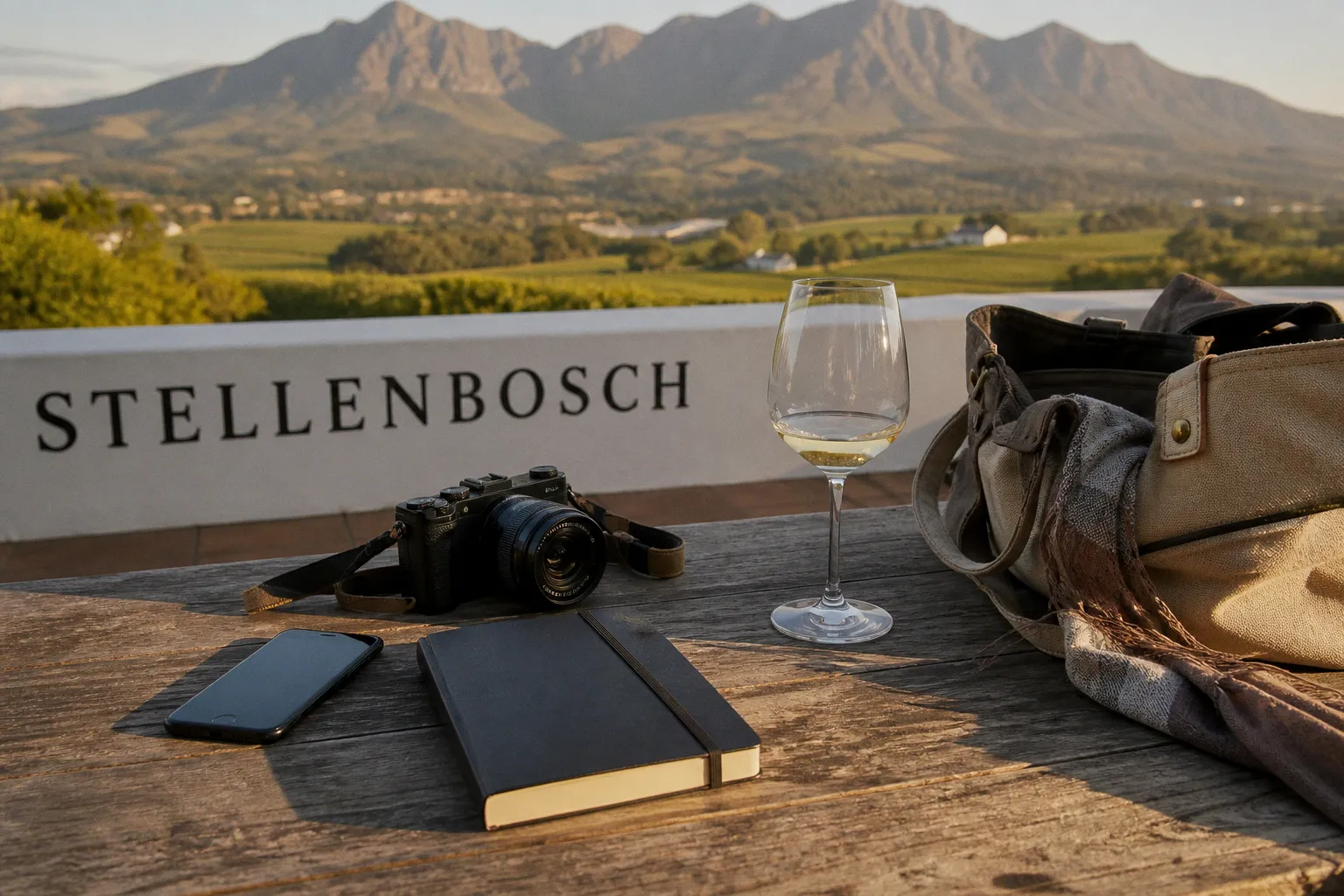
October is shaping up to be the pivot point where hospitality marketers quietly abandon the polished, over-produced look — and according to a fresh strategic update from Hospitality Marketing Insight, the Q4 playbook is being rewritten around authenticity rather than automation. What caught my eye is how decisively the conversation has shifted from glossy brand reels to user-generated content and micro-creator partnerships, a turn that fundamentally changes how hotels and destinations should be planning their visual pipeline right now.
The End of the Over-Produced Reel
I have watched too many properties pour budget into cinematic hero videos that look beautiful on a mood board and convert almost nobody. The current strategic intelligence points to the opposite direction: lean into micro-creator collaborations and genuine guest-captured content for autumn campaigns. This is not a downgrade in quality — it is a recalibration of trust. Travellers scrolling in October are responding to texture, spontaneity, and a sense of place that feels inhabited rather than staged. If your Q4 content calendar still leans on heavily edited Instagram automation, you are speaking a language your future guests have stopped listening to.
Timing Is a Content Brief, Not Just a Campaign Calendar
Here is the practical detail that hoteliers tend to miss — the same update flags that consumer Christmas Day reservations statistically peak on October 11th, while corporate group bookings cluster around late November. Those are not just sales deadlines; they are two completely different content strategies. Your family-facing visual narrative — the warmth, the table-setting, the arrival moment — needs to be live and bookable by early October. Your corporate visual story — meeting rooms dressed for evening receptions, team experiences, polished service choreography — needs a separate rollout window through November. Treating these as one campaign is how operators burn ad spend on imagery that misses the actual booker.
After-Dark Imagery as a Revenue Channel
The piece also surfaces a growing commercial angle worth scripting into your visual content: noctourism. The after-dark experience market is estimated at roughly $10.29 billion in 2025 and is projected to reach $24.8 billion by 2035, with the 31–50 demographic driving premium demand for torchlit, starlit, and evening-led experiences. For hotels with gardens, terraces, rooftops, or surrounding dark skies, this is a visual narrative waiting to happen — and one that aligns beautifully with the shift toward authentic, atmospheric storytelling rather than bright, over-lit production.
Separately, ATTA reports that Stellenbosch's long-term destination strategy has generated R13 billion for the local economy — a reminder that sustained visual storytelling at the destination level compounds over years, not seasons. And while tools like BeautyPlus's newly announced AI Influencer Generator are entering the conversation, the through-line from every credible signal right now is the same: audiences are rewarding what feels real, locally rooted, and visually honest. Shoot for that, and your Q4 content stops feeling like marketing and starts feeling like an invitation.