Why Hospitality Brands Must Adopt HUL’s Creator-Led Digital Strategy
According to reports from Storyboard18 and Indian Television Dot Com, Hindustan Unilever is pushing more of its premium-brand marketing into digital channels while building a 30,000-creator ecosystem in India.
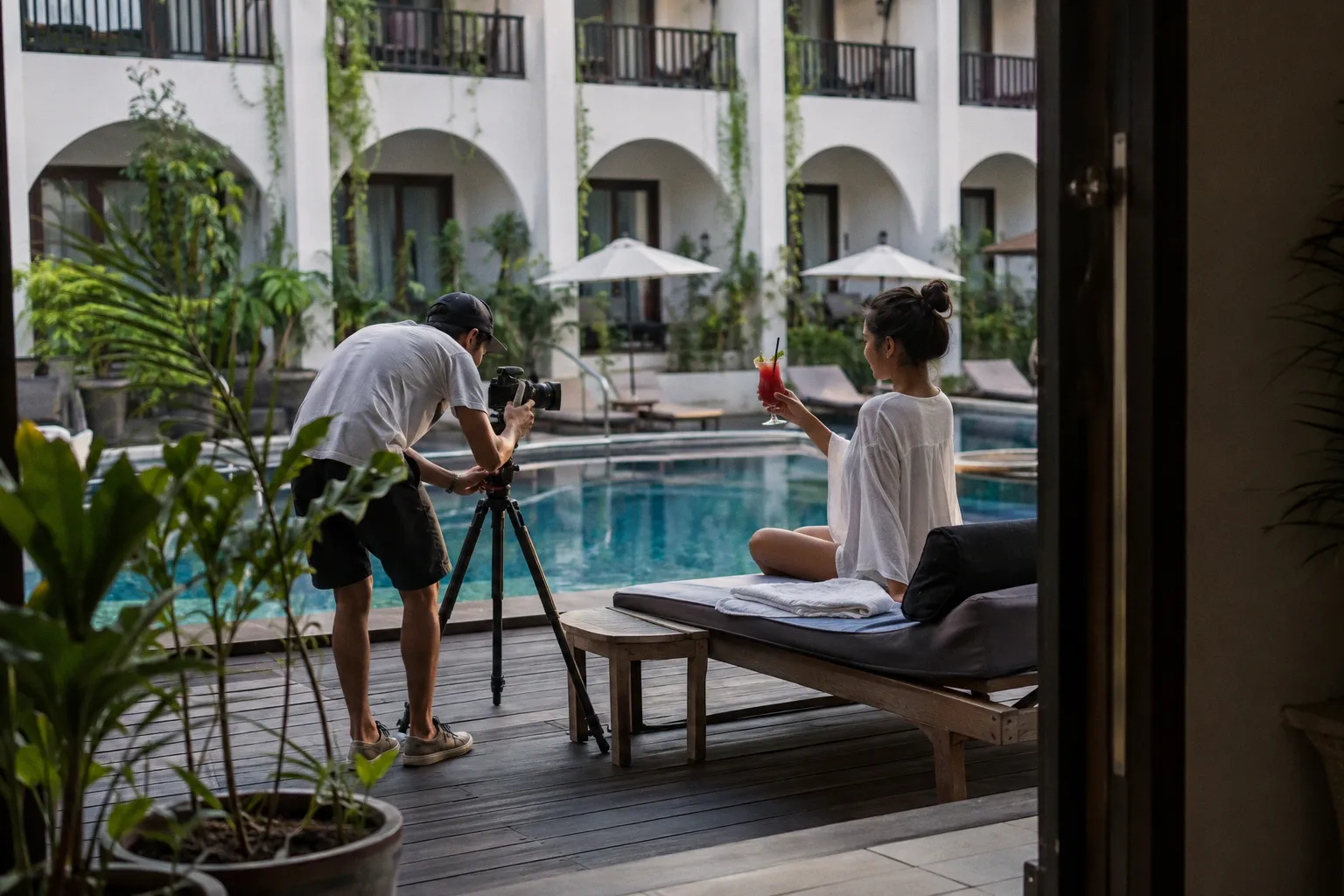
The reported shift matters beyond consumer goods: hospitality brands are watching the same fight for attention, where creator content, fast production and platform-native storytelling increasingly shape demand before a booking search even begins.
The old “make one polished campaign and distribute it everywhere” playbook is looking stale. HUL’s reported approach is closer to a social-first demand engine: creators are treated as part of the operating model, not as a last-minute influencer add-on. That is a useful signal for hotels and real estate brands. The content battle is no longer just about producing a beautiful room tour. It is about building enough relevant, native-looking touchpoints to keep a property in the algorithm’s field of view.
The spend is moving upstream
More than 60% of media spend for HUL’s premium brands is reportedly allocated to digital channels. The company is also said to be putting twice as much investment behind its premium portfolio and using specialised channels alongside its digital activity.
For hospitality marketers, the takeaway is not “move 60% of your budget to TikTok tomorrow.” That would be the usual lazy translation. The useful point is that premium positioning and digital distribution are no longer opposites. High-end hotels can still require precise architecture, interiors and food photography, but those assets have to work in formats built for scrolling: short video, vertical edits, creator-led walkthroughs and repeatable social cuts.
Do this: build a content system around the property’s strongest booking triggers.
Not that: commission one expensive hero film, post it once, then wonder why traction disappears.
A hotel’s visual library should give creators and in-house teams enough material to show rooms, spatial flow, views, amenities, service moments and local context without making every post feel like the same brochure page. The premium look stays important. The distribution logic changes.
Creators are becoming infrastructure
The reports describe HUL’s creator activity as a multi-brand ecosystem, with an advocacy-led model reportedly covering all of its brands. AI-enabled content studios and a proprietary media deployment tool are also part of the company’s reported plans or activity, aimed at producing content, improving media effectiveness and optimising returns in real time.
That combination is worth tracking because it connects three issues hotels often keep separate: who makes the content, how quickly it is adapted, and where it is deployed. Creator work without a production workflow becomes a pile of disconnected clips. AI tools without a clear brand and visual standard produce volume with very little persuasion. More content is not automatically more bookings. It is just more noise if the asset does not communicate why the stay is worth the rate.
The practical risk is outsourcing authenticity. A creator can make a property feel discoverable, but the content still needs a controlled visual brief: what spaces must appear, what experience is being demonstrated, which claims are supportable and what the viewer should do next. “Natural” is not a strategy. It is a format choice.
Hotels should also separate creator reach from creator usefulness. A large audience may generate views; it does not prove that the audience matches the property’s market or booking intent. Track the path from attention to profile visits, site sessions and booking actions where the platform setup allows it. Otherwise, the algorithm gets applause while the revenue team gets a blank spreadsheet.
What hospitality teams should watch
HUL’s reported activity also extends beyond advertising into product development, trials, education, sampling and partnerships. That broader model is relevant to hospitality because demand is often created before the customer compares room prices. A social post can sell a feeling, a neighbourhood, a design detail or a reason to travel before it sells a specific room type.
The strongest hotel content therefore should not only say “here is the lobby.” It should make the space legible as an experience. Show how the property moves, what kind of stay it enables and why its design earns attention. Use polished photography for confidence; use creator-led video for context and momentum. Do this, not that: design for the booking journey rather than chasing isolated viral hits.
HUL’s move is a reported market signal, not a universal budget template. The details available do not establish how its digital allocation performs across individual brands or channels. But the direction is clear enough to act on: creators are moving closer to the core media plan, and content production is being treated as an ongoing capability rather than a campaign accessory.
For hotel marketers, the immediate job is simple. Audit the asset library, identify the moments most likely to drive consideration, and build a repeatable creator workflow around them. The feed will not wait for the perfect campaign. Neither will your competitors.