Why Hospitality CMOs Are Trading Boardrooms for the Creator Economy
According to a recent piece on marketingmag.com.au, the path from chief marketing officer to hands-on content creator is becoming less an exception and more a career trajectory — and for hoteliers watching the industry shift, that's worth paying attention to.
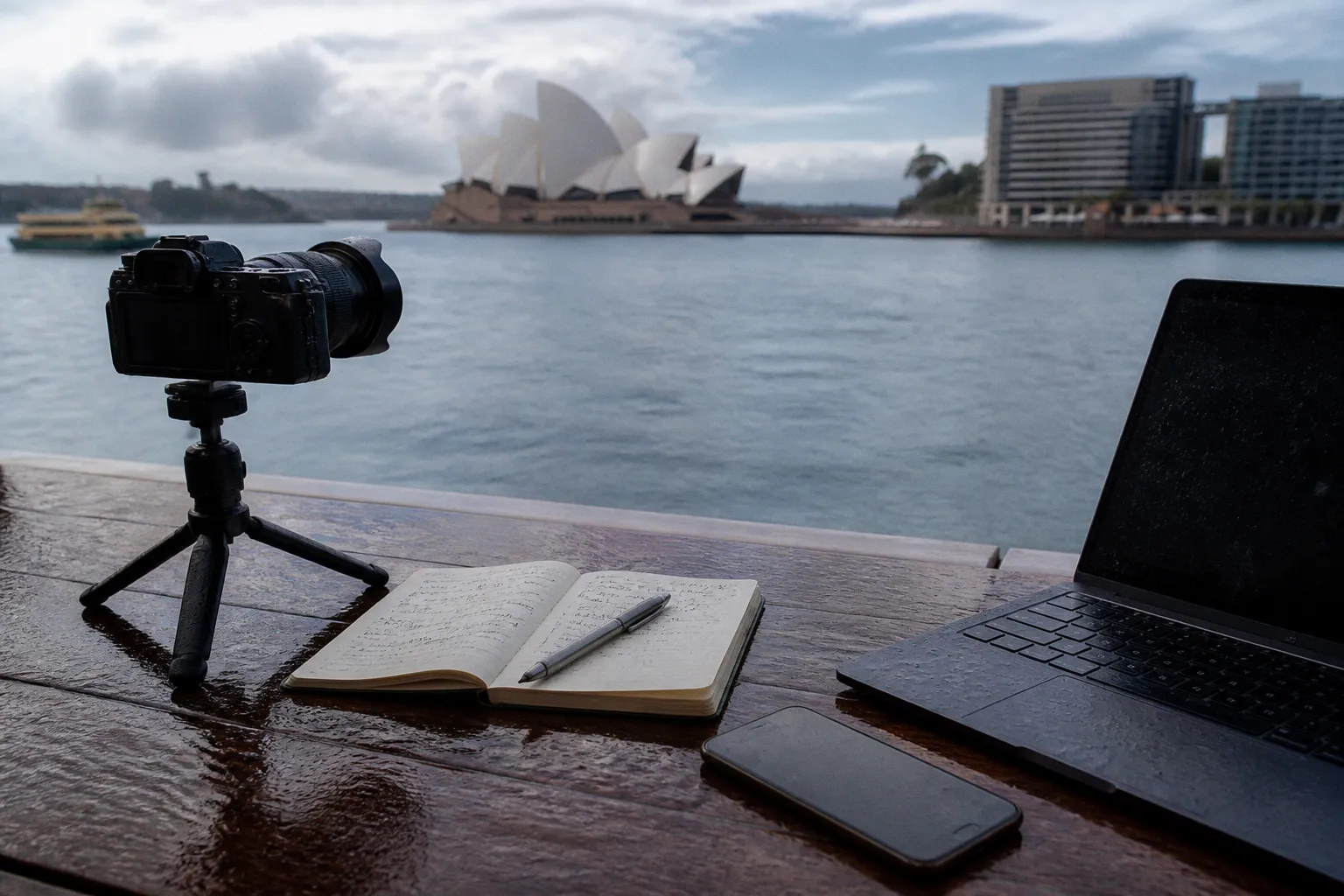
I've sat across from enough brand leaders over the years to recognize what's really happening: the most compelling hospitality content no longer comes from a production house down the hall, but from someone who understands both the guest journey and the algorithm.
The pull from the CMO's desk to the creator economy
The marketing trade press has been tracking this migration for months — and the trend surfaced again this week alongside pieces on individual creators like Juki Darmawan and Nikita Miroshnikov, whose work has attracted attention from platforms and camera brands alike. What's interesting for hoteliers isn't any single influencer story; it's the pattern underneath. Marketers with strategic depth are choosing to operate as creators themselves, because the distance between brand storytelling and personal brand storytelling has effectively collapsed.
For a property, that's both a warning and an invitation. The warning is that polished campaigns produced in isolation — beautiful stills, scripted copy, glossy reels — are competing against feeds where one recognizable voice builds trust over years. The invitation is that the same discipline your CMO brings to revenue and positioning can, with the right visual context, become the foundation of a channel guests actually follow.
What this changes for your visual narrative
I've watched hotel brands pour budget into content that looks luxurious and feels interchangeable — the rooftop pool, the linen-folded bed, the infinity edge. The creator-CMO shift asks a harder question: who is the texture of your story, and can a guest feel that texture in the first three seconds of a scroll? Marketing leaders who step into the creator role tend to obsess over that first impression — the framing, the caption rhythm, the hook — because they know the brand only has one shot at stopping the thumb.
This is where architectural photography and spatial styling stop being aesthetic exercises and start being booking psychology. A suite styled with genuine sense of place, captured by someone who understands both the brand promise and the platform's grammar, performs differently than a room dressed for a press kit. Hospitality teams that resist this — that keep "content day" separate from "real work" — are the ones whose feeds start to feel like a museum rather than a destination.
Where to borrow from the playbook without losing your identity
The lesson I'd offer any hotelier reading the marketing trade press right now is not to hire an influencer; it's to audit how much your leadership team actually understands the medium. Spend an afternoon watching how a creator-CMO structures a week of content — the batching, the repurposing, the deliberate repetition of a single visual idea until it becomes a signature. Then look at your own content calendar and ask whether anything on it could only have come from your property.
That's the alignment that converts viewers into guests — not volume, not polish, but specificity. The brands winning right now are the ones whose feeds feel like a continuation of a conversation the guest would want to walk into. Treat content as something your team makes, not something your team commissions, and the work starts to carry the kind of texture no external shoot can fake.