How AI Video Platforms Are Transforming Hotel Marketing Workflows
She is not alone, and according to The Good Men Project's recent look at where AI video tools are heading, the creative bottleneck she is hitting is precisely the one the new generation of platforms is built to ease.
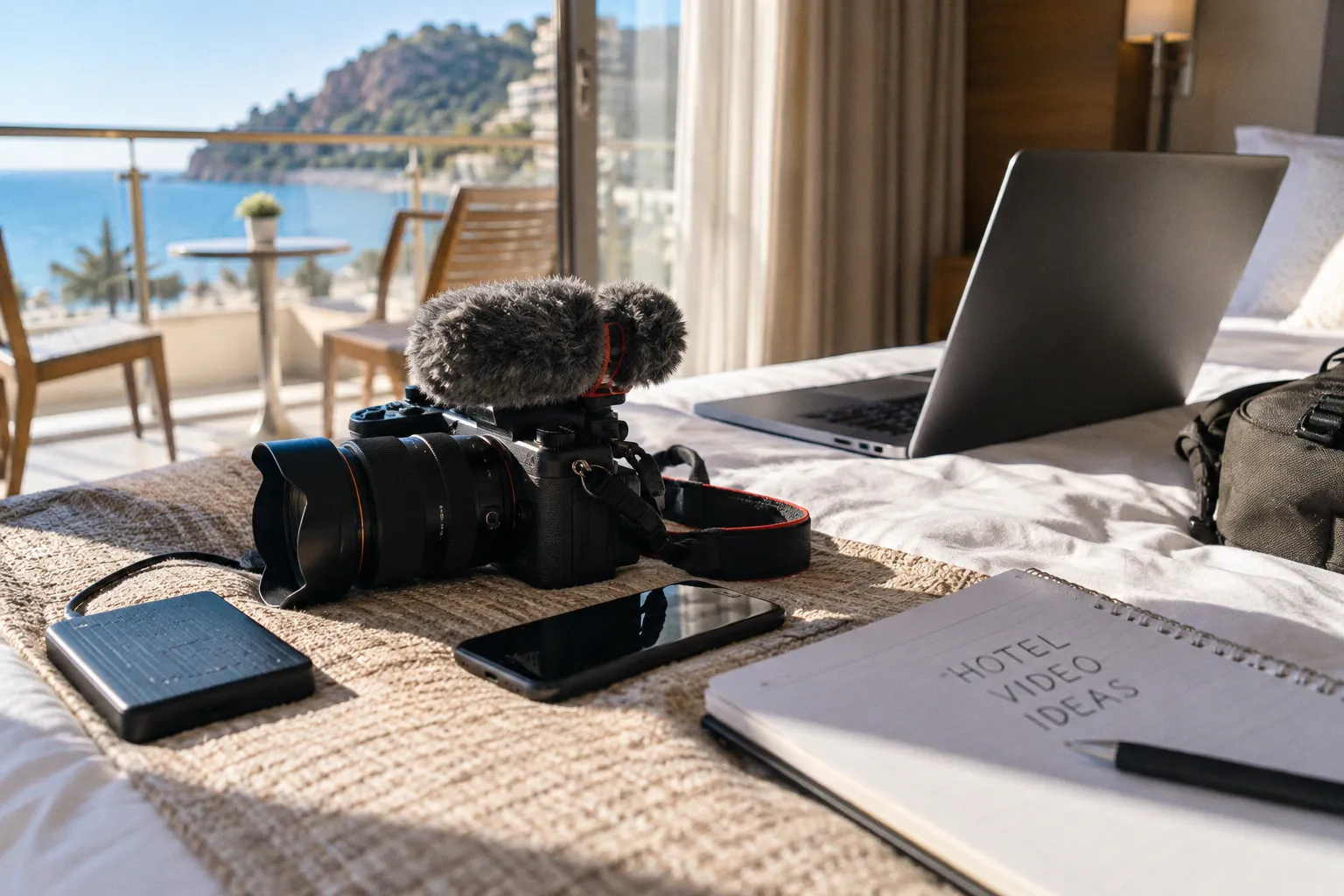
A boutique hotel GM called me last month in a quiet panic — her team was supposed to deliver twelve property videos by spring, and she had one part-time videographer, a calendar full of seasonal shoots, and zero appetite for "stock footage workarounds" that read generic. She is not alone, and according to The Good Men Project's recent look at where AI video tools are heading, the creative bottleneck she is hitting is precisely the one the new generation of platforms is built to ease.
That said — and this is the part I want you to sit with — "AI video" is not one thing. Over the past few weeks, three very different moves have shown up in my feeds, and each one hints at how a hotel marketing stack might actually behave by next year.
From highlight reels to integrated content engines
The clearest glimpse of what "scaled" looks like in practice came from the sports world, where EHF Marketing announced a four-year partnership with WSC Sports to rebuild its media operations around the 2026/27 season. The setup is worth studying even if you have never watched a handball match: AI automatically detects key moments — goals, saves, crowd surges — and produces, tags, and enriches short clips and highlights in real time, ready for any platform. The marketing director there described the goal as creating more content, getting it out faster, and making better use of it across channels — and as I read it, that sentence could have come straight out of a hotel sales meeting.
The translation for a property is straightforward. Think about the videos you re-cut every season: the suite walk-through for OTAs, the rooftop shot for Instagram, the spa moment for email, the chef's-table clip for partnerships. That assembly line — same footage, different cuts, different audiences — is exactly what an AI workflow is being built to absorb.
Tools are moving into the tools you already use
Two more developments caught my attention because they suggest AI video is heading into the workflow rather than waiting for a separate login. Digital Trends reported that Adobe is bringing image, video, and PDF creation directly into Slack — imagine your revenue manager dropping a still from a new suite into the team channel and getting a vertical video teaser back without leaving the thread. Separately, indiagazette.com noted that Xelta.ai is positioning itself as an all-in-one platform spanning image, video, voice, and content creation, which points to consolidation rather than yet another subscription.
For a small hotel marketing team, the practical question is not "which AI tool" but "where in my existing stack can this live" — because the bottleneck is rarely creativity. It is handoffs, exports, re-uploads, and the Tuesday afternoon someone realizes the wrong aspect ratio went live.
Where I would still hold the camera myself
Here is the "before and after" I want to walk you through, because it is the part most glossy coverage skips. A coastal resort I worked with had been outsourcing monthly property videos to a freelancer — beautiful footage, but the storytelling drifted every quarter and the brand's sense of place kept thinning. We rebuilt the workflow with the AI handling the repetitive assembly (twenty short reels from one shoot, captioned, resized, tagged) and reserved the human time for two things: the opening narrative of each campaign and the on-property moments only a familiar eye would catch — a regular at the bar, the way morning light crosses the breakfast room. Bookings from the property page lifted, and what struck the GM most was that the team's creative energy went back into the texture of the place, not the production calendar.
That is the alignment I think this moment actually offers. AI video tools will remove the assembly work your team secretly dreads, and your guest journey — the visual narrative, the sense of arrival, the texture of a courtyard at dusk — still belongs to whoever walks the property with intent. Adopt the automation, protect the authorship.